How to Care for Suede Shoes Through Every Season
Suede is not the fragile material people fear. It just needs different habits to leather, and a little common sense in the rain.
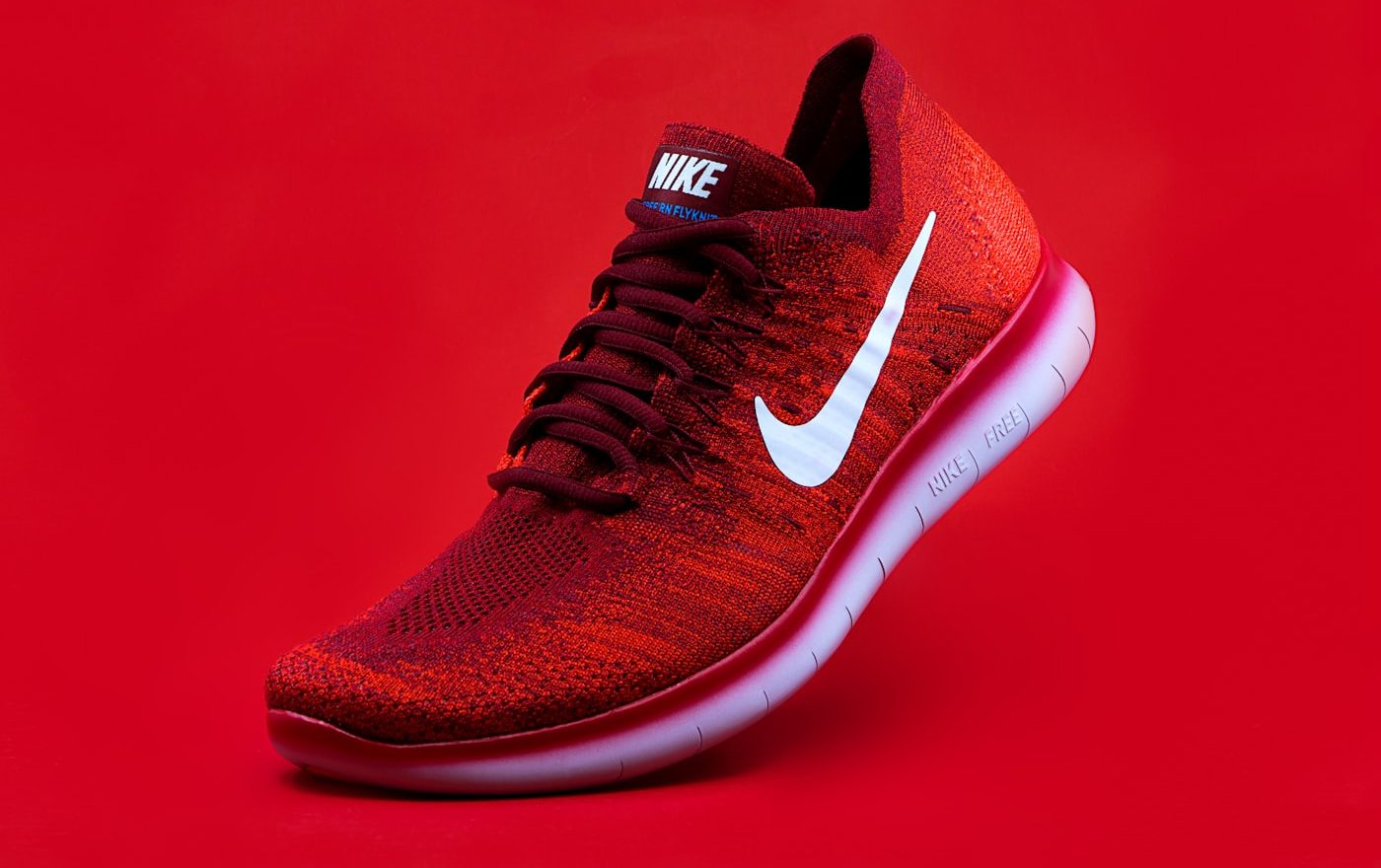
There is a kind of folk wisdom around suede shoes that gets in the way of the truth. The folk wisdom says that suede is fragile, that you cannot wear it in the rain, that one careless step ruins a pair forever. The truth is that suede is a perfectly robust material when you understand what it actually needs. The difference between a pair that lasts ten winters and a pair that gives up after one is almost entirely about a few simple habits.
The pair of navy suede boots I bought in 2014 have seen ten years of UK weather. They have been rained on, snowed on, salted, dropped in puddles, and walked through bonfire ash. They look better today than they did in the box. The reason is not the suede. The reason is a few minutes of attention every couple of weeks and a small handful of tools that live in a drawer.
What suede actually is
Suede is the underside of an animal hide, brushed up to raise the fibres. It is the same skin as a leather shoe, just used the other way round. The “nap” you can see and feel on the surface is thousands of tiny fibres standing up. When the nap is clean and lifted, suede looks rich and slightly velvety. When the nap is crushed, dirty, or wet, suede looks tired.
Almost all suede care is about three things. Keeping the nap lifted (by brushing). Keeping the nap protected (by spraying). Removing things that crush or stain the nap before they bed in (by attending to spills quickly).
Before you ever wear them
This is the step that almost everybody skips and that genuinely changes the trajectory of the shoe. Before a new pair of suede shoes leaves the house for the first time, spray them with a quality suede protector. Saphir, Crep, Collonil, and a few other brands all make sprays that put an invisible layer over the nap, repelling water and most stains.
The application is straightforward. Hold the can about twenty centimetres from the shoe. Apply a light, even coat. Let it dry for thirty minutes. Apply a second light coat. Let it dry overnight. The colour of the suede should look essentially unchanged when dry; if it looks darker, you have applied too much and the product is sitting on the surface rather than penetrating.
Reapply the protector every three to four months. Reapply after any heavy cleaning. Reapply before winter, without fail. The protector is the single most important piece of suede care there is.
The weekly brush
Suede needs to be brushed regularly to keep the nap lifted. A brush is the basic tool, and a proper suede brush costs about three pounds at any shoe shop. Most suede brushes have two surfaces: a brass or steel wire side for lifting the nap, and a rubber or crepe side for removing dirt.
The technique is simple. Brush gently in one direction across the entire shoe, lifting the nap. For ingrained dirt, use the rubber side first, working in small circles, then go over with the wire side. The aim is not to scrub; it is to coax the fibres back into a uniform direction.
Do this once a week if the shoes are in regular wear. It takes about three minutes per pair. The difference between a brushed pair and an unbrushed pair is dramatic; the brushed pair looks new for years, the unbrushed pair looks tired within months.
Dealing with rain
Here is where the folk wisdom is most wrong. Suede can be worn in light rain perfectly safely, particularly if it has been protected. What it cannot survive is being soaked, then dried badly.
If your shoes get caught in light rain, walk to where you are going, take them off as soon as you can, blot any visible water spots with a clean dry cloth, and let them dry naturally at room temperature for 24 hours. Stuff with newspaper to help hold the shape. The water spots will largely disappear as the suede dries; brush the nap once they are fully dry and the shoes will look essentially unaffected.
If the shoes are properly soaked, the recovery is slower but still possible. Blot, do not rub, with a clean dry cloth. Stuff firmly with newspaper, replacing it every couple of hours for the first day. Let the shoes dry for at least 48 hours at room temperature, well away from any direct heat source. Never use a hairdryer, a radiator, or direct sunlight; all of them will set the nap stiff and stain the suede permanently.
Once fully dry, brush vigorously to lift the nap. If water rings remain, dampen the entire shoe slightly with a fine mist of water from a spray bottle, let it dry again, and brush. This evens out the dampness and removes the visible rings.
Salt and winter pavements
Road salt is the single worst enemy of suede. The white tide marks that appear on suede in winter are not just dried salt on the surface; they are crystals of salt that have settled into the nap and that draw moisture out of the suede itself.
Prevention is far better than cure. Apply protector before the salt season starts. Wipe shoes down with a barely damp cloth after each winter wear; do not let salt sit overnight.
If salt marks have set in, the standard fix is a mix of one part white vinegar to two parts water on a clean cloth. Dab the salt mark, blot, repeat. Let the shoe dry fully, then brush. Most salt marks come out cleanly; very deep ones may need a second pass.
For winter wear, consider a dedicated pair of more rugged shoes; properly waterproofed leather boots are kinder to your feet on salty pavements than even the best-protected suede. Save the good suede for drier days.
Stains that are not water
Various stains affect suede in different ways. The general principle: act quickly, do not rub.
- Mud: let it dry completely, then brush off. Wet mud rubbed into suede sets the stain; dry mud lifts away with patience.
- Oil: blot immediately, sprinkle the spot with cornflour or talcum powder, leave overnight. The powder absorbs the oil. Brush off the next day. Repeat if necessary.
- Ink: this is one of the few stains that is genuinely hard. Try a small amount of methylated spirit on a cotton bud, working very gently from the outside of the stain inward. Test in an inconspicuous area first. For serious ink stains, professional cleaning is the right answer.
- Wine: blot immediately, then dust with cornflour, then brush. Old wine stains rarely come out fully.
- Blood: cold water only, applied with a soft cloth, blotting not rubbing. Hot water sets the stain permanently.
For shiny, crushed patches (where the nap has been compressed by friction or wet), the fix is to lift the nap again. Hold the shoe over the steam from a kettle for ten or fifteen seconds; the steam relaxes the fibres. Then brush firmly. Most crushed patches respond well to this; very deep ones may need a second treatment.
Storage between seasons
If you are putting suede away for the summer, do the following. Brush thoroughly. Apply protector. Insert shoe trees, ideally cedar. Store in a cotton bag, not the original box (cardboard absorbs moisture; cotton breathes). Keep them somewhere cool, dry, and dark; suede fades in direct sunlight, sometimes permanently.
Check on them every couple of months. Brush. Check for any signs of damp or mould. Suede stored badly can come out unwearable; suede stored well is essentially the same as the day it went away.
The relationship with suede is honestly easier than its reputation suggests. A protector spray three or four times a year, a weekly brush, a calm response to wet weather, and a few minutes of attention after winter. It is not the high-maintenance material people fear. It is just slightly different to smooth leather, and once you know what it actually needs, it rewards you with a pair of shoes that improve with age. Our piece on caring for leather shoes is the parallel routine for the smooth side of the family.
For a related angle, our piece on The Beginner’s Guide to Fixing a Squeaky Door covers a closely connected problem.
For a related angle, our piece on The Right Way to Touch Up Wall Paint covers a closely connected problem.
Frequently Asked Questions
Light rain, yes, particularly if the shoes have been properly protected with a quality spray. Heavy rain or wet pavements full of puddles is best avoided; your shoes deserve better and so do your feet. The realistic rule: if you would be unhappy walking through what you can see outside, your suede would be too. Keep a slightly tougher pair (well-waterproofed leather boots) for genuinely wet days and reserve suede for fair-to-light weather. With sensible weather judgement, a good pair of protected suede shoes will last ten years through ordinary British weather.
Yes, usually. Shiny patches mean the nap has been crushed by friction or compressed by wet. The fix is to lift the nap back up. Hold the shoe over the steam from a boiling kettle for ten or fifteen seconds, then brush firmly with a suede brush. The combination of steam and brushing relaxes the fibres and lifts them again. For very stubborn patches, repeat the treatment. The result will not be quite as crisp as factory-fresh suede, but it will be close. Avoid putting steam directly on the shoe for long periods; you only want to relax the fibres, not saturate them.
Every three to four months for shoes in regular wear, and always before the winter season and always after a thorough cleaning. New shoes should be sprayed before their first wear, with two light coats applied a few minutes apart. The most common mistake is to apply protector once when the shoes are new and then forget about it; the protection wears off within months. A small can lasts a long time, and the routine takes ten minutes spread across two evenings. Set a reminder for September, January, and May if you tend to forget.
A proper suede brush, which combines a soft brass wire side (for lifting the nap) and a rubber or crepe side (for removing dirt). They cost about three pounds at any cobbler or shoe shop and last for years. Avoid stiff wire brushes designed for metal; they will scour the suede rather than lift it. Avoid soft hair brushes; they do not have enough grip to lift the nap properly. A dedicated suede brush is the single most useful tool, and one will look after several pairs of shoes for the rest of their lives.
For most household marks, a vinegar-and-water mix or a small amount of cornflour will lift them eventually. For stubborn or unusual stains (ink, paint, severe water marks, mystery dark patches), professional cleaning is genuinely worth the cost. A specialist cobbler or shoe cleaner can often work miracles on suede that looks beyond saving; the cost is typically twenty to forty pounds for a thorough clean and re-nap, which is a fraction of replacement. Try the home treatments first, but do not throw the shoes away without consulting a specialist. Suede is more recoverable than people think.

Smit Sharma
Smit Sharma writes and edits Repair Habit. He is not a licensed technician of anything. What he knows about repair he picked up the ordinary way: watching his father fix things around the flat rather than throw them away, spending two summers as an apprentice in a small electronics shop, and, once he had his own place, running through the mistakes himself on his own washing machine, kettle, chairs, and car. He is a working parent, a slow buyer of new things, and a slightly obsessive maintainer of the ones he already owns. He does not believe repairing your dishwasher makes you a better person. He believes it is often the cheapest and quietest response to a small problem, which is roughly all the philosophy this site carries.
You may also like

The Quiet Maintenance Most People Skip on Their Boiler
A modern boiler will run cheerfully for fifteen years if you do four small things. Most owners do…

A Step-by-Step Guide to Replacing a Light Fixture
Swapping a ceiling light is a satisfying, perfectly doable Saturday job, provided you do one or two things…

A Practical Guide to Caring for Hardwood Floors
Hardwood floors are remarkably forgiving if you treat them well. Three habits keep them looking sound for decades.