How to Bring a Slow Microwave Back to Life Without Replacing It
A microwave that takes ages to heat is rarely broken. It is usually one of four small things, none of which involve a new appliance.
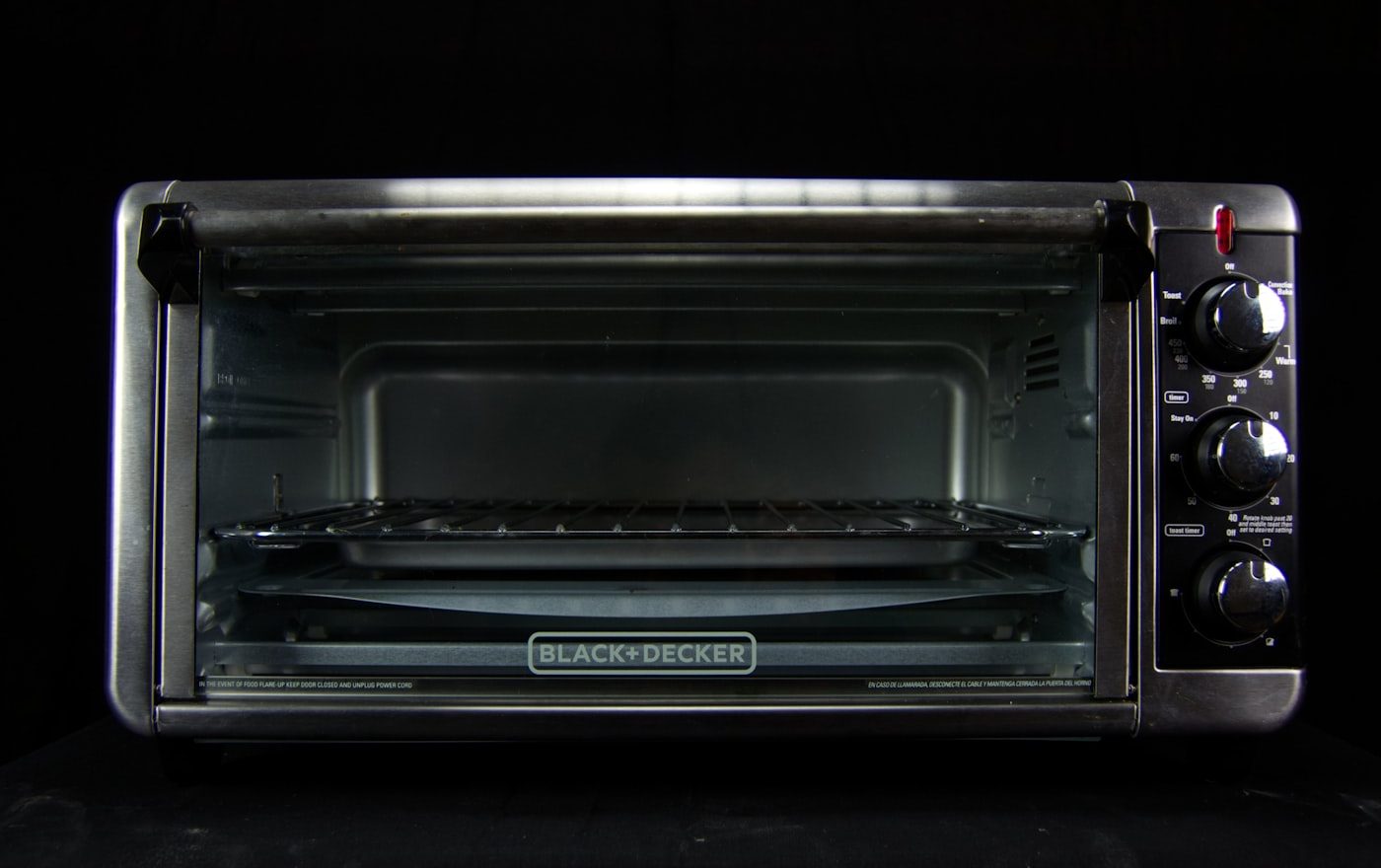
A friend of mine sent me a message last winter saying her microwave had started taking nearly four minutes to reheat a bowl of soup that used to take ninety seconds. She had been about to throw it out and order a new one online. Microwaves are cheap, she said, what is the point of fussing.
The point is that her microwave was not actually broken. After half an hour of poking around and asking her to try four small things, it was back to ninety seconds. The new one would have cost her seventy pounds. The fix cost her nothing. This happens more often than I would expect.
Microwaves do not really wear out, except in three ways
The heating in a microwave comes from a component called the magnetron, which converts electricity into microwave radiation. Magnetrons do degrade over time, but the degradation is usually gradual and predictable, measured in many thousands of hours. Most microwaves are replaced because of three other issues that are entirely fixable.
The first is a dirty interior, particularly food splatter on the ceiling that absorbs microwaves before they reach your food. The second is a clogged or blocked vent that traps heat and steam, reducing efficiency. The third is a turntable that has stopped turning, which means your food is heated unevenly and feels cold to you.
Clean the inside properly
Most people wipe down the interior of a microwave occasionally, but few clean the ceiling and corners properly. Splattered grease and food residue absorb microwave energy before it can reach the food you are trying to heat. After years of build-up, this absorption becomes significant.
The easiest way to clean a microwave is to fill a heatproof bowl with a cup of water and the juice of half a lemon. Run the microwave on high for five minutes. The steam loosens everything inside, including baked-on splatter on the ceiling. Then wipe down every surface with a damp cloth. Pay particular attention to the ceiling, which most people never look at. If yours is properly grubby, you may need to repeat the steam cycle and use a soft scouring sponge for the worst patches.
Check the vents
Most microwaves have small vents on the back, sides, or top that allow heat from the magnetron to escape. Over time these vents get blocked with kitchen grease and dust. If yours is built into a cabinet, the vents may also be partly obstructed by the cabinet itself.
Unplug the microwave. Take it out of any cabinet or shelf it is wedged into. Use the brush attachment on your vacuum to clear every vent slot. Wipe the slots with a damp cloth. Let it dry completely before plugging it back in. While you have it out, check that there is enough clear space around the microwave for air to circulate. Most manufacturers specify a minimum of three to five centimetres on each side and the back. If yours is jammed into a tight cabinet, it may be overheating and cutting back its own power to protect itself.
The turntable matters more than it seems
The rotating glass plate is not decorative. Microwave energy is not perfectly uniform; the plate moves the food through the strong and weak spots so it heats evenly. If the turntable is not turning, food in the centre may stay cold while food at the edges burns.
Look underneath the turntable. There is a small drive coupling, often white or grey plastic, that connects to the motor below. If it is cracked or worn round, the turntable will not turn. Replacement couplings cost between three and ten pounds and slot in by hand. While you are there, check the wheels on the support ring under the plate; if any are stuck, lift the ring and wash it in warm soapy water.
If the coupling is fine and the wheels move freely but the turntable still does not turn, the motor below has likely failed. This is a repair that requires opening the microwave case, which I would not recommend unless you are confident with electrical work. Microwaves store high voltage in their capacitors even when unplugged, and an inexperienced touch can be genuinely dangerous.
Power output declines, but slowly
If you have cleaned the inside, cleared the vents, checked the turntable, and the microwave is still much slower than it used to be, the magnetron may have degraded. There is a rough test you can do. Put a measuring jug with exactly 250 millilitres of cold tap water inside, run the microwave on full power for two minutes, then measure the temperature with a kitchen thermometer.
A new 800-watt microwave should raise the water temperature by around 35 degrees. A 1000-watt microwave should manage around 45. If yours is significantly below that, the magnetron has weakened. The part itself is not expensive, around twenty to forty pounds, but the repair involves working near high-voltage components and is not recommended for amateurs. For a basic countertop microwave, replacement is usually cheaper than calling a technician. For a built-in or combination microwave that cost several hundred pounds, the repair is worth pricing.
Three habits that quietly extend the life
- Cover food loosely with a paper towel or microwave-safe lid. This catches splatter and reduces interior cleaning work.
- Wipe out spills the day they happen. Dried-on spills become harder to remove each week.
- Never run an empty microwave. Without food or water to absorb the energy, the magnetron has nowhere to send the microwaves and can damage itself.
The verdict
If your microwave is taking longer than it used to, work through the three checks above before you spend any money. Clean the interior thoroughly. Clear the vents and give it breathing room. Fix or replace the turntable coupling. If all three are sound and the water test confirms the magnetron has degraded, then yes, it may be time for a new one, but most of the time the existing machine has another five years in it.
The broader rule applies to most appliances. Before you replace, troubleshoot. Our guide to the three appliance mistakes that quietly shorten lifespan covers a few of the habits that send appliances to the kerb decades before they should be.
For a related angle, our piece on The Beginner’s Guide to Vacuum Cleaner Repair covers a closely connected problem.
For a related angle, our piece on How Often You Actually Need to Clean Your Range Hood Filter covers a closely connected problem.
Frequently Asked Questions
A small chip on a painted interior wall is not immediately dangerous, but you should touch it up. The interior paint is there to protect the metal from corrosion and to keep the microwave-safe surface intact. Untreated, the metal underneath can rust, and rust can eventually become a source of sparking. You can buy microwave-safe touch-up enamel for under ten pounds, or have it done at a repair shop. If the chip is on the magnetron cover (the perforated panel inside, usually on one side wall), do not use the microwave until it is replaced. That panel is critical.
Stop using it immediately and unplug it. Sparking is almost always caused by metal inside the cavity (an aluminium twist-tie, a metal-rimmed plate, a spot of dried food with mineral content), or by a damaged magnetron cover, sometimes called a waveguide cover. Check the cavity carefully and clean off any food spots. Look for damage to the small mica-like panel inside; if it is burned, chipped, or warped, it needs replacement. Continuing to use a sparking microwave can damage the magnetron itself, which is a much more expensive problem.
No. A microwave needs something to absorb the energy it produces. With nothing inside, the energy reflects back into the magnetron and can damage it within seconds. Always put at least a cup of water inside if you need to test that the unit is running. Never run an empty cycle, even for a few seconds.
Usually overheating. Microwaves have internal thermal cut-outs that protect the magnetron when it gets too hot. Causes are blocked vents, a microwave wedged into a tight cabinet with no airflow, or a failing internal cooling fan. Clean the vents, pull the microwave out and give it space, and listen for the cooling fan running during a cycle. If the fan is silent, it has likely failed and the repair is generally not cost-effective for a countertop model.
That is the waveguide cover, sometimes called the mica plate. It allows microwaves to enter the cooking cavity from the magnetron behind it, while protecting the magnetron from food splatter. If it gets dirty, charred, or damaged, the microwave can spark or perform poorly. Clean it gently with a damp cloth. If it is chipped or warped, replace it. The part is inexpensive and slots in without tools on most models.

Smit Sharma
Smit Sharma writes and edits Repair Habit. He is not a licensed technician of anything. What he knows about repair he picked up the ordinary way: watching his father fix things around the flat rather than throw them away, spending two summers as an apprentice in a small electronics shop, and, once he had his own place, running through the mistakes himself on his own washing machine, kettle, chairs, and car. He is a working parent, a slow buyer of new things, and a slightly obsessive maintainer of the ones he already owns. He does not believe repairing your dishwasher makes you a better person. He believes it is often the cheapest and quietest response to a small problem, which is roughly all the philosophy this site carries.
You may also like

Why Your Oven Won’t Heat Properly (and Six Things to Check First)
Most ovens that stop heating are not broken. They are misbehaving in one of six predictable, fixable ways.
How to Diagnose a Loud Washing Machine Without Calling Anyone
A washer that has started to thump, hum, grind, or rattle is usually telling you something specific. Here…
The Refrigerator Door Seal: A Small Repair That Saves a Big Bill
A worn fridge gasket is the appliance equivalent of leaving a window open all winter. The fix takes…