How to Tighten a Wobbly Chair Without Replacing It
A wobbly chair is almost never broken. It is just loose, and loose joints have a quiet, durable fix.
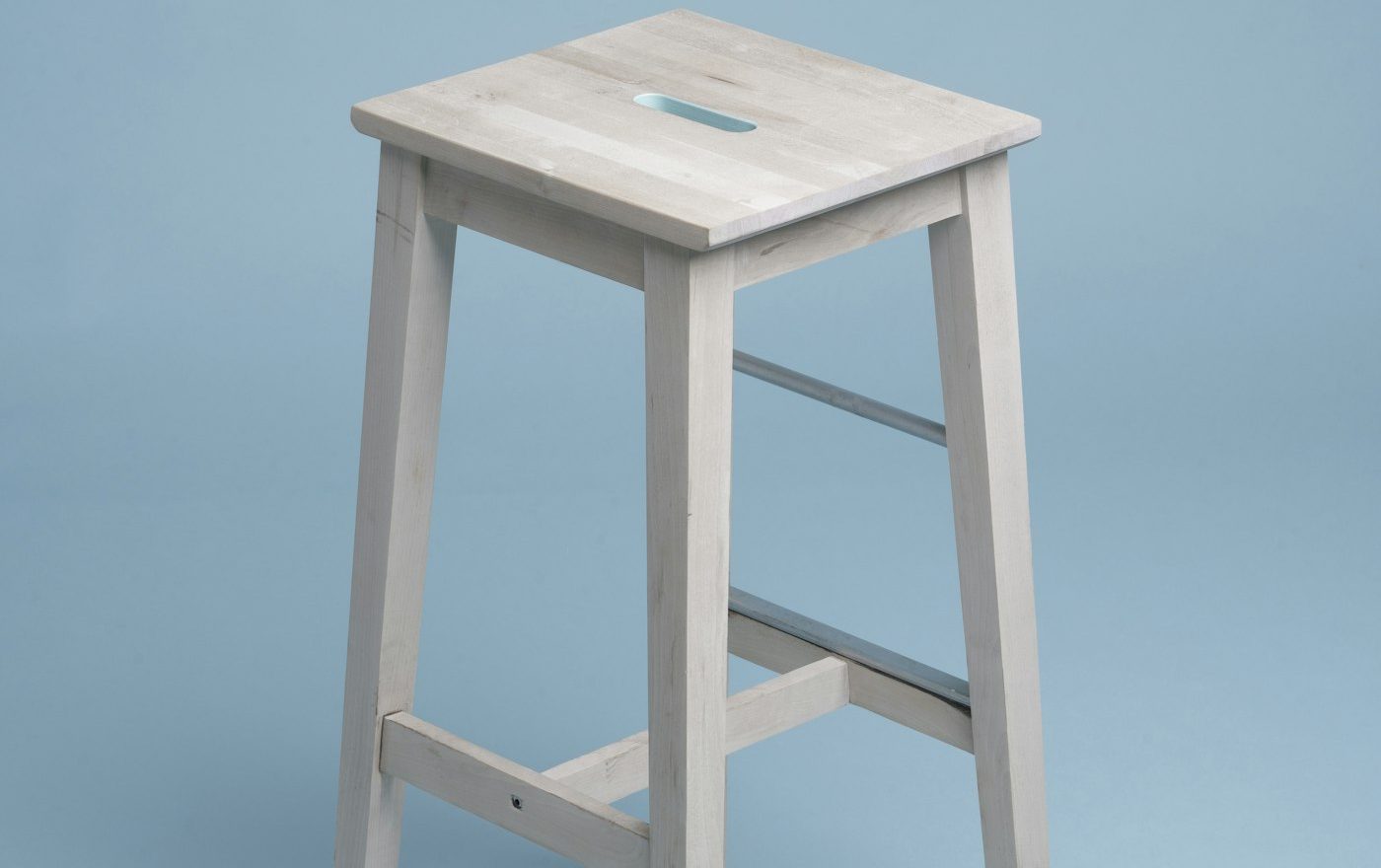
There are six dining chairs around our kitchen table. Four of them came from a family member’s family elder, two are charity-shop replacements from when one of the originals collapsed under a particularly enthusiastic Christmas guest about a decade ago. The four old ones have outlasted the two newer ones twice over, and the reason has almost nothing to do with how they were built. It has to do with how often we tighten them.
A wobbly chair is almost always one of two things. Either a single joint has loosened (the screw or dowel that holds two pieces of wood together has worked free), or the glue in several joints has dried out and the entire structure has gone soft. Both are fixable. Neither requires a workshop or any particular skill.
The five-minute diagnosis
Turn the chair upside down on a clean towel. Wiggle each leg, one at a time, holding the seat firm. The leg that moves is the loose one. Then check each rung between the legs; rungs work loose more often than legs themselves, because they take less direct stress and the glue dries out without anyone noticing.
Look at every visible joint. If you see a hairline gap where wood meets wood that did not used to be there, that joint has separated. If you see a wood screw that looks slightly proud (sitting higher than it should), it has backed out under years of vibration.
Make a small note of every loose point. You want to tackle all of them in one sitting, not one at a time. Chairs work as a system, and fixing one joint while leaving three loose just transfers the stress elsewhere.
The screws-and-bolts approach
If the chair was made in the last fifty years, it almost certainly has at least some metal fasteners in addition to glue. Tightening these is the easiest fix.
For each loose joint with a visible screw or bolt:
- Remove the screw entirely.
- Look at the hole. If the wood inside the hole is splintered or compressed, the screw was just turning without grip. You need to give it something to grip again.
- Stuff the hole with a few wooden toothpicks or matchsticks dipped in wood glue. Trim them flush with a sharp knife. Let the glue dry for two hours.
- Screw the original screw back in. It will now have new wood to grip and will hold firmly for years.
For loose bolts (the kind with a nut on the opposite side), tighten them with a spanner. If they spin in place, the bolt has stripped its hole and you need a slightly thicker bolt or a longer one that bites into fresh wood.
The glue approach for traditional joinery
Older or higher-quality chairs are often glued at every joint with no metal fasteners. When the glue fails, the chair loosens all at once, and tightening individual joints is genuinely the wrong answer; you need to re-glue.
The trick is to disassemble as little as possible. Pull each loose joint apart only enough to expose the old glue surface. A chair that comes apart completely is a chair you may never get back together at quite the right angles.
For each loose joint:
- Carefully wiggle the joint apart, just enough that you can see the old glue.
- Scrape off the old, dry, glassy glue from both surfaces with a sharp chisel or a flat-bladed screwdriver. Fresh glue does not bond to old glue; it bonds to wood. You want bare wood on both surfaces.
- Apply a thin, even coat of PVA wood glue to both surfaces. Do not slather it on; excess glue squeezes out and weakens the bond.
- Reassemble the joint, then use a strap clamp or even a ratchet strap around the chair to hold everything tight while it dries.
- Wipe away any squeezed-out glue with a damp cloth immediately, before it dries.
- Let the glue cure for 24 hours before sitting on the chair.
A friend who restores furniture in a small workshop in Sheffield once told me that the single biggest mistake amateurs make is not removing the old glue. He has fixed chairs three times for customers who insisted on cleaning the joints properly the second time around.
The hidden problem: wood shrinkage
Sometimes the issue is not loose glue or loose screws. The wood itself has shrunk slightly with age and dry indoor air, and the joints no longer fit as snugly as they once did. This is most common in chairs that came from a humid environment originally (Victorian houses, often, or old country furniture) and now live in centrally heated modern homes.
The fix is to bulk out the joint slightly. For a round mortise-and-tenon joint where the tenon (the male end) has shrunk, you can wrap a single layer of cotton thread around the tenon, glue it in place, and reassemble. For a square joint, a thin wood shim glued to one face does the same job. The repair is invisible once dry.
The order that prevents future wobbles
Once you have repaired everything you can find:
- Put the chair on a flat surface and check that all four legs touch evenly. A chair fixed while sitting on a slightly uneven floor can dry into a permanent rocking shape.
- Test by sitting on it gently and rocking. Listen for any creaking that indicates a joint still moving.
- Lift and turn the chair frequently for the first week to spot any movement under different loads.
What about wood filler?
Wood filler is for cosmetic patching, not structural repair. It cannot hold a chair together. If a joint is severely damaged (the wood itself has split or rotted), you need to replace the damaged part, not fill it. For a single broken leg, a competent local joiner can usually fabricate a replacement for less than the cost of a new chair. For widespread rot or splitting, the chair may be at the end of its useful life.
The maintenance habit that prevents the problem
Every six months, lift each chair in the house and check the joints. It takes ten minutes for a whole dining set. Tighten any screws that have worked loose. Note any joints that are starting to gap. Re-glue at the first sign of trouble, not after the chair collapses.
Chairs that get this small attention last decades. Our oldest is probably eighty years old and has been re-glued at least three times in its life. It still feels solid because someone (us, mostly, lately) noticed the early movement and dealt with it before it became a structural failure.
For more on the same principle applied across other furniture, see our quiet furniture maintenance habits. And if your chairs are part of a wider project to keep older furniture going, the chest of drawers restoration guide covers some related techniques.
Frequently Asked Questions
Standard yellow PVA wood glue is the right answer for almost every chair repair. It is strong, dries clear, bonds wood to wood very well, and is forgiving for beginners. Avoid epoxy for routine repairs; it is overkill and harder to clean up. Avoid hot melt glue, which cannot withstand the long-term stress of a chair joint. Avoid super glue, which is too rigid and brittle. If you are working on antique or museum-quality furniture, hide glue is the historically correct choice and is reversible by a future restorer, but PVA is fine for almost every household chair.
A full 24 hours is the safe answer. The glue will feel dry to the touch in an hour, but full cure (when the bond reaches its maximum strength) takes a day. Leaving it longer is fine; rushing it is the most common reason for repaired chairs to come apart again. If you absolutely have to use the chair within 12 hours, sit gently and avoid rocking; full structural strength is not there yet.
For most repairs, no, because epoxy putty is rigid and brittle and will eventually crack out as the chair flexes under load. The exception is for filling a stripped screw hole; you can pack it with epoxy putty, drive the screw in while the putty is soft, let it cure, and the screw will hold well. For actual joint re-gluing, stick with PVA wood glue and proper joint preparation.
Two common reasons. The first is that the floor or the chair legs are uneven; check on a known-flat surface and trim any one leg with a fine rasp if it is genuinely too long. The second is that one or more glued joints (not screwed joints) are loose, and tightening the screws cannot compensate. Look carefully at every wood-to-wood joint; any visible gap means glue failure that needs proper re-gluing, not just screw tightening.
Often yes, with realistic expectations. Flat-pack chairs are usually held together with cam locks and bolts, which can be tightened indefinitely. They are rarely worth re-gluing because the materials are not always solid wood, and PVA does not bond to laminated chipboard reliably. For cam-and-bolt assembly, take the chair apart completely, clean the cam slots, and reassemble; it often comes back to near-new tightness for nothing. If the chair is genuinely broken (split board, sheared metal), it is rarely worth the effort.

Smit Sharma
Smit Sharma writes and edits Repair Habit. He is not a licensed technician of anything. What he knows about repair he picked up the ordinary way: watching his father fix things around the flat rather than throw them away, spending two summers as an apprentice in a small electronics shop, and, once he had his own place, running through the mistakes himself on his own washing machine, kettle, chairs, and car. He is a working parent, a slow buyer of new things, and a slightly obsessive maintainer of the ones he already owns. He does not believe repairing your dishwasher makes you a better person. He believes it is often the cheapest and quietest response to a small problem, which is roughly all the philosophy this site carries.
You may also like

How to Restore an Old Wooden Chest of Drawers
Bringing an old chest back to useful life is a weekend project with eight steps and the patience…

The Honest Way to Fix Scratched Wood Furniture at Home
You do not need professional refinishing. You need to identify the scratch, match the wood, and stop the…

What to Do About a Sagging Bookshelf
A sagging shelf is a structural warning. Reinforce it now, or watch it bow further until it cracks.