The Quiet Maintenance Habits That Make Furniture Last Decades
Long-lived furniture is not about quality. It is about a few small, repeated acts of attention almost nobody bothers with.
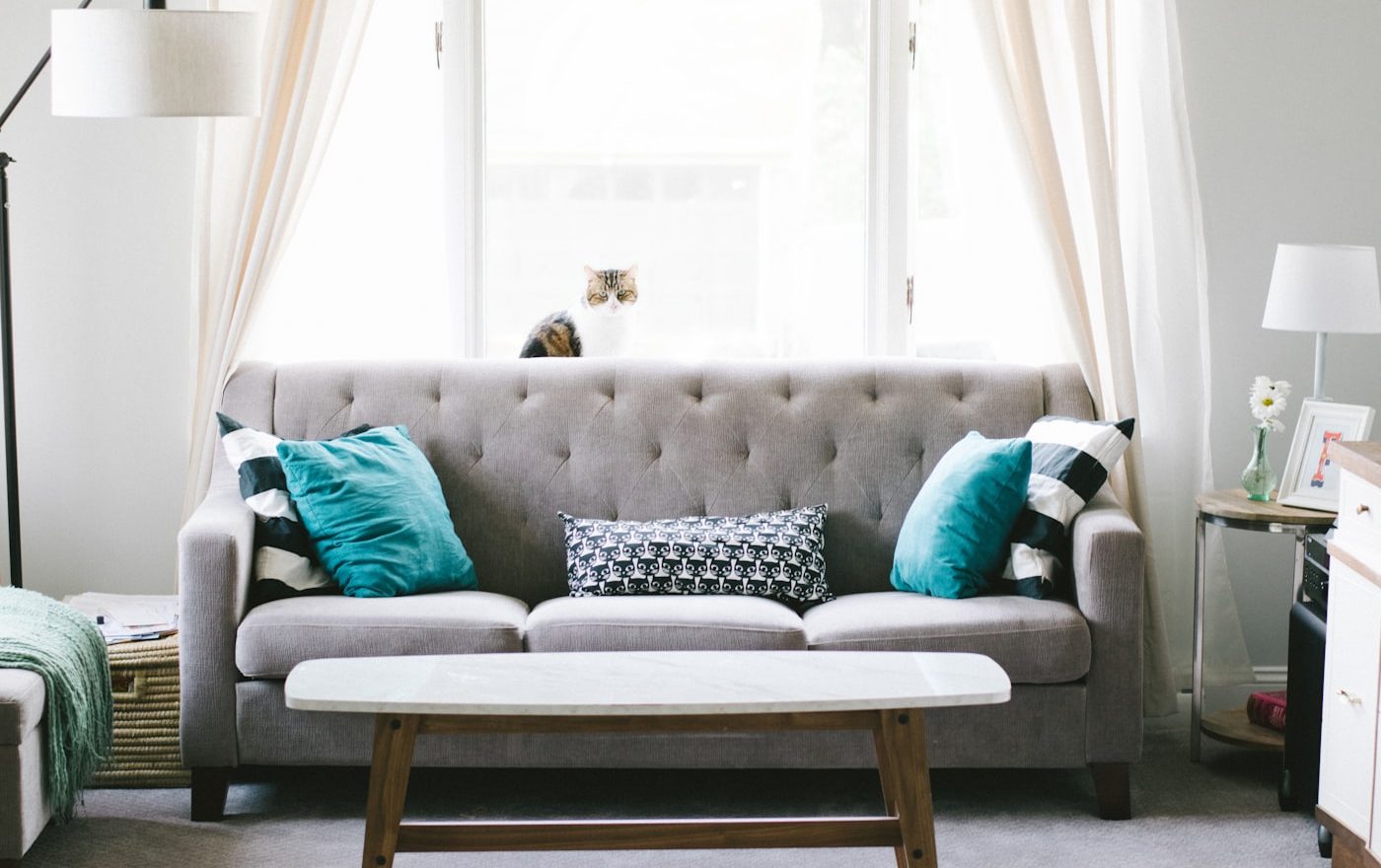
The furniture in our house spans nearly a century. A Welsh dresser from the 1930s that came from a family member’s family. A pair of leather armchairs from the 1970s bought second-hand. A pine dining table built in the early 2000s. A few newer pieces. What strikes me, walking through the house, is that the oldest pieces are in the best condition. The newest ones already show wear. This is not because old furniture was better made (some of it was, much of it was not), but because old furniture has been maintained by generations who knew how to look after wood.
The habits below are nothing exotic. None of them takes more than a few minutes. Doing them across a household once or twice a year is the difference between furniture that lasts a decade and furniture that lasts a lifetime.
Habit one: tighten everything you can see
Every six months, walk around the house with a screwdriver. Tighten any visible screw on any piece of furniture: chair joints, bed frames, table aprons, dresser pulls, cabinet hinges. Most of them will need a quarter-turn or less. Some will need more. Some will be working loose for years before anyone notices.
This single habit is the single most impactful furniture maintenance practice in any home. Almost every piece of furniture that fails structurally fails because something quietly worked loose, then put strain on adjacent components, which also loosened, until the cumulative effect was a wobble or a collapse. Tightening early prevents the cascade.
For a worked example specific to chairs, see our wobbly chair guide.
Habit two: wax and oil what was made to be waxed and oiled
Wood loses moisture as it ages, particularly in centrally heated homes. Dry wood becomes brittle, develops fine cracks, and looks tired in a way that no surface cleaning can address. Periodic treatment with the right product replaces the lost moisture and keeps the wood looking and feeling alive.
The product depends on the finish. For oil-finished wood (most modern wooden furniture), a thin coat of furniture oil once or twice a year is enough. For waxed wood (older traditional pieces), a paste wax applied with a soft cloth and buffed off. For French-polished wood, a periodic dab of furniture polish. For polyurethane-finished modern furniture, almost nothing; the polyurethane seals the wood and resists drying.
The wrong product can do harm. Polishing a polyurethane-finished table with linseed oil leaves a sticky residue that attracts dust. Waxing an oil-finished table builds up a film over time that becomes harder to remove. Match the treatment to the finish. Our piece on wax, oil, and furniture polish covers the specifics.
Habit three: control the room
Wood furniture is happiest in stable conditions: temperature around 18-22 degrees, humidity between 40 and 55 per cent. Modern centrally heated homes in winter often drop to 20 per cent humidity, which is bad for wood. The most common visible result is cracks that appear in tabletops, drawer fronts, and panel doors over winter.
A small humidifier in the room where your most valuable wood furniture lives can make a measurable difference. Even a couple of bowls of water on radiators in winter helps slightly.
Avoid placing furniture directly next to heat sources (radiators, fireplaces, sunny windows). The temperature differential between the heated side and the cooler side stresses the wood and accelerates ageing.
Habit four: lift, do not drag
Furniture damage from sliding across floors is one of the most common forms of preventable damage. The wear is invisible because it is on the bottom of the legs, but over years the constant friction loosens joints and chips the lower edges.
When you need to move a piece of furniture, lift it; do not drag it. If it is too heavy for one person, ask for help. For frequently moved items (chairs at a dining table, sofas occasionally repositioned), fit felt or plastic glides under the feet. These cost almost nothing and dramatically reduce wear.
Habit five: clean carefully
Most cleaning products designed for kitchens and bathrooms are wrong for furniture. Avoid ammonia (it dulls finishes), avoid silicone-based polishes (they build up and resist future refinishing), avoid abrasive cleaners (they scratch).
For everyday cleaning, a damp microfibre cloth and water is enough for most surfaces. For sticky marks, a tiny amount of mild washing-up liquid in water. Wipe dry afterwards; never let water sit on wood.
Dust regularly with a soft cloth. Accumulated dust holds moisture against the surface and can scratch over time.
Habit six: address problems within the month
A loose joint repaired in the first month costs nothing and twenty minutes. The same loose joint left for a year often turns into a broken joint, a damaged wood surface, and a repair that takes an afternoon or requires professional help.
The pattern is consistent across all furniture: tiny problems addressed quickly stay tiny. The same problems ignored compound into expensive repairs or premature replacement.
Walk through your house occasionally. Notice anything that has changed: a chair that creaks, a drawer that sticks, a wobble that was not there. Add it to a small repair list, and work through the list on the next quiet Saturday.
Habit seven: protect heavily used surfaces
The areas of your furniture that take the most abuse benefit from physical protection. Coasters under drinks. Felt pads under decorative items. Tablecloths for meals where wine and tomato sauce might be in play. Runners on hallway tables to protect against keys and bags.
This is not about treating furniture as too precious to use. It is about absorbing the wear on something disposable rather than something irreplaceable. A coaster costs nothing; a refinished tabletop costs an afternoon at minimum.
Habit eight: think about the next generation
Some of the best furniture in our house came from people who looked after it well enough that it was worth passing on. Some pieces of cheap furniture we bought new have gone to the tip already. The difference is partly initial quality, but mostly the cumulative care that turns a piece of furniture into something inherited rather than disposed of.
If you would not mind your children using a piece of furniture in twenty years, treat it like that now. Tighten it. Oil it. Repair it when it needs repair. Furniture you take seriously becomes furniture worth taking seriously; the relationship is self-reinforcing.
For specific techniques that fit into this rhythm, see our pieces on scratch repair, re-gluing loose joints, and leather care.
For a related angle, our piece on What to Do About a Sagging Bookshelf covers a closely connected problem.
Frequently Asked Questions
For most pieces, once or twice a year is enough. Oil-finished furniture used heavily (dining tables, coffee tables) benefits from oil twice a year; less-used pieces (a side table, a wardrobe) once a year. Waxed furniture follows a similar rhythm. You will know it is time when the wood looks slightly dry, the finish has lost some of its depth, or the surface no longer beads water as crisply as before. Over-oiling builds up a sticky film and is worse than under-oiling.
For most homes, no, but for homes with valuable solid-wood antiques in centrally heated rooms, yes. Humidity that drops below 30 per cent for extended periods (which is common in British winters) genuinely accelerates cracking and joint loosening. A small inexpensive humidifier in the main room costs little to run and protects everything in it. If you already have humidity around 40-50 per cent for other reasons (slow-drying laundry, indoor plants, kettle use), additional humidification is unnecessary.
Microfibre is the modern standard and works well on almost all finishes. It picks up dust without aggressive scrubbing and does not scratch. Avoid feather dusters, which spread dust around rather than collecting it. Avoid paper towels, which can leave fine fibres on the surface. For very fine furniture, a soft brush (an old shaving brush works) can dust intricate carving without abrasion. Use cloths dry for routine dusting; dampen only when there is a specific mark to clean.
Most aerosol furniture polishes from supermarkets contain silicone, which leaves a slick, attractive shine that builds up over years into a sticky film and resists future refinishing. For routine surface care, a clean cloth and a dab of beeswax-based traditional furniture polish (look for "natural beeswax" on the label) is gentler and does not build up. Avoid daily polishing; once or twice a year is enough for most pieces.
Less than you might think. Polyurethane is a tough plastic finish that seals the wood and resists moisture loss. It does not benefit from oiling or waxing the way traditional finishes do. The maintenance for polyurethane-finished furniture is mostly about cleanliness (damp cloth wipe-down), protection from heat and water (coasters, trivets), and addressing any small chips or scratches in the finish before they expose the underlying wood. If the polyurethane itself begins to look dull or worn, it can be lightly sanded and recoated, but that is a job rather than a habit.

Smit Sharma
Smit Sharma writes and edits Repair Habit. He is not a licensed technician of anything. What he knows about repair he picked up the ordinary way: watching his father fix things around the flat rather than throw them away, spending two summers as an apprentice in a small electronics shop, and, once he had his own place, running through the mistakes himself on his own washing machine, kettle, chairs, and car. He is a working parent, a slow buyer of new things, and a slightly obsessive maintainer of the ones he already owns. He does not believe repairing your dishwasher makes you a better person. He believes it is often the cheapest and quietest response to a small problem, which is roughly all the philosophy this site carries.
You may also like

A Practical Guide to Fixing Veneer Lifting and Bubbling
Lifted veneer looks like a disaster and is usually a fifteen-minute fix with a household iron.
How to Stop a Drawer From Sticking, Permanently
A sticking drawer is almost always one of three simple things, and the permanent fix takes ten minutes.

Common Furniture Repair Mistakes That Cost You Twice
The wrong fix is more expensive than the right fix, because you end up paying for both.