The Quiet Damage Your Tumble Dryer Is Doing
A tumble dryer is harder on your clothes than any other appliance in your house. The damage is invisible until it is not.
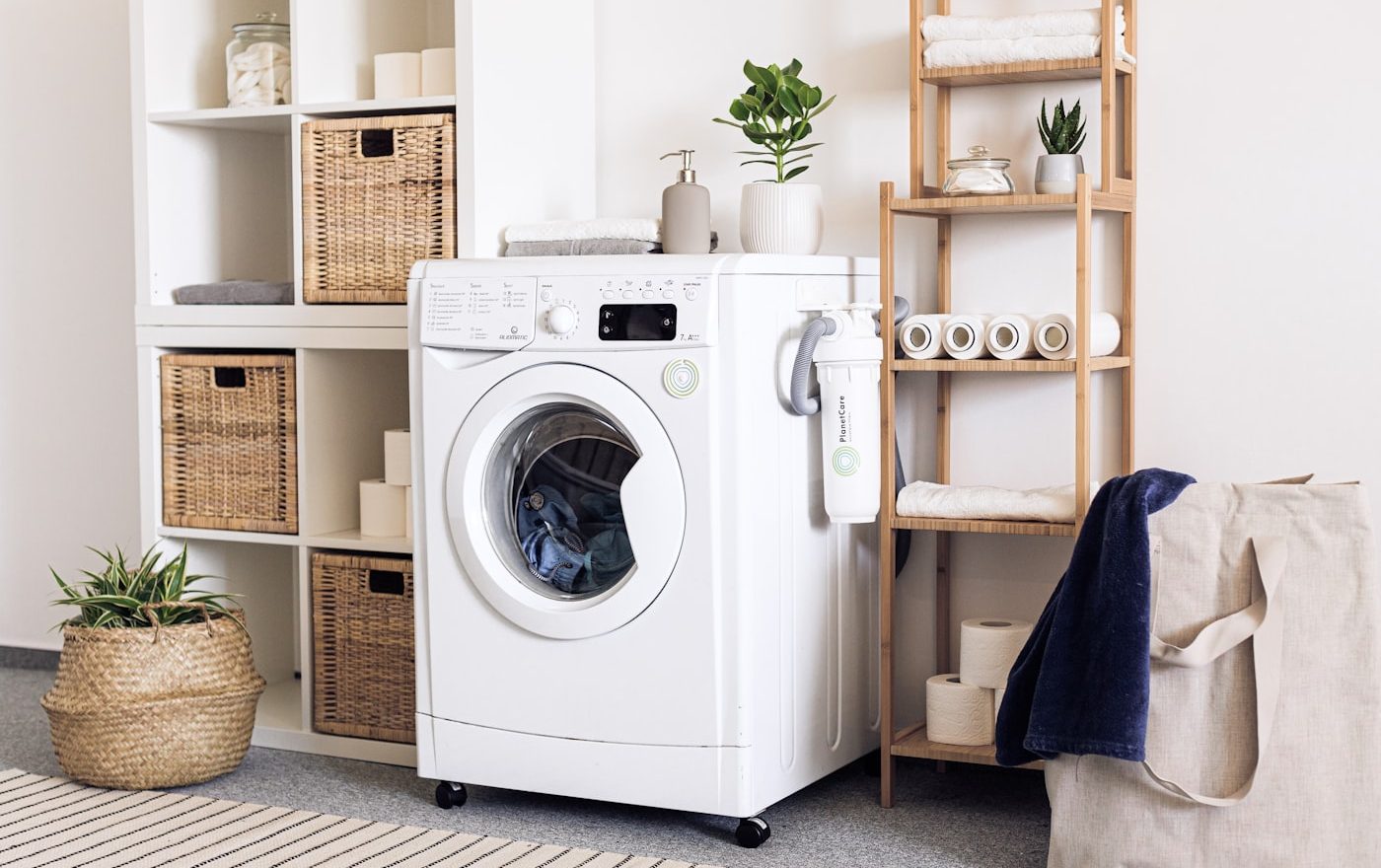
The lint filter in our tumble dryer fills up with fluff after every load. That fluff used to be on your clothes. The dryer drum tumbles your garments at speed against itself, against the inside of the drum, against zips and buttons, while hot air pulls at the fibres. Each load takes a tiny amount of your clothes off and deposits it in the lint filter. Over years, this is the largest single source of damage in the average wardrobe.
None of this means you should not use a tumble dryer. They are useful, they save time, and modern dryers are gentler than older ones. But almost everyone uses them wrong, or at least more aggressively than necessary, and the damage to clothes is genuine.
Where the damage actually happens
Four mechanisms inside a tumble dryer cause most of the wear:
Friction. Garments tumble against each other for 30-60 minutes per cycle. Soft fabrics catch on harder fabrics. Zips drag against knitwear. Buttons hit thinner fabric. Every contact removes a few fibres.
Heat. Most domestic tumble dryers operate at 60-90 degrees Celsius. This temperature is high enough to relax certain fibres permanently, weaken elastic in waistbands, and shrink wool that was meant to be air-dried.
The combination of heat and mechanical action causes more damage than either alone. Wet hot fibres being agitated is one of the harshest treatments fabrics receive.
Static. Dryer cycles build up static electricity, which makes synthetic fibres cling and become more abrasive against each other. Fabric softener sheets reduce static but introduce other issues (coating fibres, reducing absorbency).
Tumbling impact. Heavy items (jeans, towels) hit lighter items (shirts, knitwear) repeatedly during the cycle. The lighter items take damage from the impact.
What gets damaged worst
Different fabrics suffer differently:
- Wool: shrinks dramatically with heat and agitation. Should not be tumble-dried unless specifically labelled tumble-dryer safe.
- Silk: weakens with heat. Should be air-dried.
- Linen: tolerates moderate heat but becomes wrinkled.
- Cotton: durable but gradually loses size and finish.
- Elastane (lycra): degrades quickly with heat. Sportswear with lycra content has a noticeably shorter life if tumble-dried regularly.
- Polyester: durable but accumulates pilling.
- Cashmere, alpaca, mohair: never tumble-dry.
The general rule: synthetic blends with elastic content are most damaged by repeated tumble drying. Pure natural fibres in non-stretchy weaves (jeans, towels, sheets, cotton t-shirts) are least damaged.
The reduced-heat option
Most tumble dryers have multiple heat settings. The high heat setting is the fastest but the most damaging. Lower heat settings take longer but cause much less wear.
The recommended approach for most clothes: use the “low heat” or “delicate” setting. The cycle takes 50-70% longer, but the damage to clothing is significantly reduced. The lower temperature is also gentler on the dryer’s heating element and tends to extend the appliance’s own life.
Modern dryers with sensor drying (which detect moisture and stop when clothes are dry) are gentler than timer-based dryers because they avoid the over-drying that timer cycles often cause. Over-drying continues to apply heat to fabric that is already dry, which is the most damaging part of any tumble cycle.
The pull-out-half-dry trick
For maximum gentleness, the best approach is to use the tumble dryer to take clothes from soaking wet to half-dry, then air-dry the rest of the way. This removes most of the water (the slow, labour-intensive part of air-drying) without keeping clothes in heat for the full cycle.
The way to do this: run a normal cycle but pause and check at the halfway point. When clothes feel damp but not soaking, take them out and hang or lay them flat. The remaining drying happens in cool air, which is harmless.
This habit takes minutes more than fully tumble-drying but extends garment life noticeably.
Separating loads helps
Mixing heavy and light items causes the most damage because the heavy items batter the light ones. Separating loads addresses this:
- Towels and bedding together (heavy load, can handle full heat)
- Jeans and tougher trousers together (heavy load)
- T-shirts, shirts, lighter knits together (medium load, lower heat)
- Anything with elastic together on the most delicate setting
This means more loads, more time, more effort. Whether it is worth it depends on how much you value your clothes. For frequently-worn favourites, the separation makes a real difference over years.
What about fabric softener
Fabric softener (both liquid in the wash and dryer sheets) coats fibres with a thin layer that reduces static and friction. This sounds good but has side effects:
- The coating accumulates on towels, reducing absorbency over time
- The coating can clog washing machine and dryer components
- The chemicals can cause skin reactions for some people
For most laundry, fabric softener is unnecessary. Modern detergents include conditioning agents. If static is a problem, dryer balls (wool or rubber balls that bounce in the dryer) achieve similar results without coating fibres.
When to skip the dryer entirely
Some items should never see a tumble dryer:
- Wool, cashmere, and other animal-fibre knitwear (lay flat to dry)
- Silk (air-dry on a hanger)
- Garments with elastic that you want to preserve (most sportswear, swimwear)
- Fabrics with prints or embellishments that could melt or detach
- Anything labelled “do not tumble dry”
For these items, air-drying is not optional; it is required.
For broader habits that extend clothing life, see our slow wardrobe piece. For dealing with the consequences of tumble-drying-induced shrinkage, our reshape stretched sweater guide covers a related problem.
The maintenance of the dryer itself
A well-maintained dryer is also gentler on clothes. Clean the lint filter every load. Empty the moisture container after every cycle on condenser dryers. Clean the condenser unit monthly. Have the vent professionally cleaned annually for vented dryers; see our dryer vent guide for the specifics. A clogged dryer runs hotter and longer, increasing the damage to whatever is inside.
One small compromise that works
If you do not want to give up the dryer entirely, run loads to half-dry, then air-dry the rest. This removes most of the water in the dryer (the slow part of air-drying) but completes the drying gently in cool air. The result is mostly the convenience of the dryer with substantially less damage to clothes. Half the wardrobe-extending benefit of full air-drying, but achievable for most households.
For a related angle, our piece on The Beginner’s Sewing Kit That Actually Gets Used covers a closely connected problem.
Frequently Asked Questions
A garment dried in a tumble dryer for every wash typically lasts 30-50% less than the same garment air-dried. The exact figure varies by fabric and dryer settings; high-heat settings can halve the lifespan, low-heat with sensor drying may reduce it by only 10-20%. For valuable or favourite items, even modest extension of life is worthwhile. For everyday items where convenience matters more, tumble drying with lower heat strikes a reasonable balance.
Yes, modestly. Wool dryer balls (sold for about ten pounds for a set of six) bounce around the load during drying, separating items and allowing better airflow. They reduce drying time by 10-20%, reduce static by similar amounts, and replace fabric softener for most needs. They are not transformative but they are a worthwhile small investment for households that use the dryer frequently. Avoid the cheap rubber spiky dryer balls; they can damage delicate items.
Air-dried towels tend to feel stiffer than tumble-dried ones because the fibres are not fluffed by the tumbling action. The trick is to give them a brief tumble (10-15 minutes on low heat) at the end of air-drying. This restores the fluffy feel without the long-term damage of full tumble-drying. Alternatively, shake them vigorously before hanging up; this also helps soften the texture.
Jeans are usually pre-shrunk but can still shrink slightly in hot drying. The fix: dry on low heat, or air-dry. Some jeans benefit from being pulled into shape while still damp (stretching gently along the length to maintain the leg dimension). Most jeans recover their size after the first few wears even if slight shrinkage occurred. If a particular pair shrinks substantially every wash, the fabric may not be pre-shrunk; switching to air-drying for those will preserve the original size.
In British weather, mostly yes with some adjustments. Indoor air-drying works in any season; an airing rack in a heated room produces dry clothes in 12-24 hours. The slowest situation is humid winter weather with little ventilation; in those conditions, a dehumidifier in the drying room helps substantially. For households with limited space, the tumble dryer is genuinely useful; using it for the difficult stuff and air-drying the rest is a reasonable compromise.

Smit Sharma
Smit Sharma writes and edits Repair Habit. He is not a licensed technician of anything. What he knows about repair he picked up the ordinary way: watching his father fix things around the flat rather than throw them away, spending two summers as an apprentice in a small electronics shop, and, once he had his own place, running through the mistakes himself on his own washing machine, kettle, chairs, and car. He is a working parent, a slow buyer of new things, and a slightly obsessive maintainer of the ones he already owns. He does not believe repairing your dishwasher makes you a better person. He believes it is often the cheapest and quietest response to a small problem, which is roughly all the philosophy this site carries.
You may also like
The Beginner’s Sewing Kit That Actually Gets Used
A sewing kit you actually use lives where you can see it and contains only the things you…

How to Get a Mystery Stain Out of a White Shirt
You do not need to know what the stain is. You need to know what kind of stain…
A Calm Guide to Removing Sweat Stains Without Bleach
Sweat stains and pit marks are reversible. Bleach makes things worse on most fabrics. Here is what actually…