Common Laundry Mistakes That Slowly Ruin Clothes
Most laundry damage is invisible single-wash. It accumulates. Here are the habits to change.
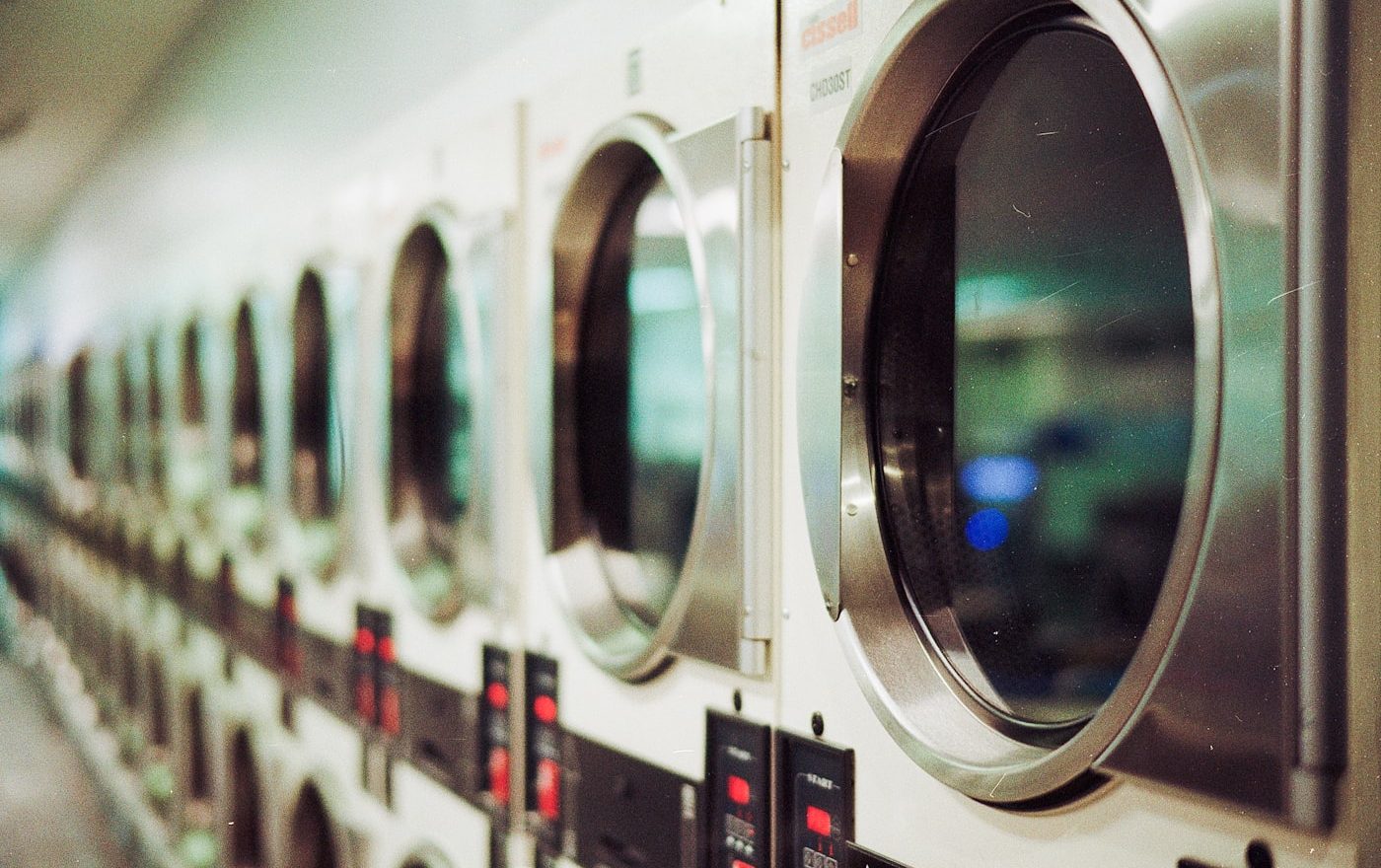
The washing machine is one of the most useful inventions of the 20th century and one of the most quietly destructive appliances in the modern home. Used carelessly, it shortens the life of every garment that passes through it. Used thoughtfully, it cleans clothes without damaging them noticeably for many years. The difference is not the machine; it is the habits.
Most of us make several of these mistakes. The damage from any single laundry session is small. Compounded across years and thousands of wash cycles, the damage accumulates into wardrobes that wear out faster than they should.
Mistake 1: too much detergent
The marketing on detergent bottles suggests using a full cap per wash. The reality, for soft to moderately hard water, is that about half that amount cleans equally well. Excess detergent does not improve cleaning; it leaves a residue on fabrics that contributes to stiffness, dulling, and gradual abrasion damage.
Try halving your detergent dose for a month. Most loads come out equally clean, sometimes cleaner because the excess residue is no longer present. If you have particularly hard water or heavily soiled clothes, you can scale back up; for normal household laundry, less detergent is usually correct.
Mistake 2: hot water for everything
Hot water cleans more aggressively but also fades dyes, breaks down elastic, sets stains permanently, and shrinks natural fibres. Cool water at 30 degrees is sufficient for almost all household laundry with modern enzyme detergents.
Reserve hot water for:
- Bed linen and towels (occasionally, for cleanliness)
- Items that need disinfecting (illness, baby cloth nappies)
- Genuinely heavily soiled work clothes
For everything else, cold or warm is plenty.
Mistake 3: overloading the drum
A packed washing machine cannot properly tumble its contents, water and detergent cannot circulate evenly, and clothes rub against each other with maximum friction. The result is clothes that come out less clean, worse-smelling, and more damaged than they would be from a smaller load.
The rule: when you push the drum closed, you should be able to fit your hand into the gap at the top. If you cannot, the load is too full.
Mistake 4: leaving items in pockets
The classic disaster: a pen left in a pocket. The pen ruptures during the cycle, ink spreads through the entire load, and multiple garments are ruined.
Less dramatic but equally common: tissues that turn into white confetti throughout the wash, coins that scratch drum interiors, hair grips that get stuck in pump filters, lipsticks that melt onto fabrics.
Check every pocket before washing. The habit takes thirty seconds and prevents catastrophes.
Mistake 5: not closing zips and buttons
Open zips and unbuttoned cuffs catch on neighbouring items during washing. A zip can rip a hole in a delicate fabric in a single cycle. Buttons can break off when caught.
Close zips and buttons before washing. Turn jeans inside-out (which also protects the dye). Fasten any hooks or velcro closures.
Mistake 6: skipping the inside-out trick
Washing garments inside-out protects the outside surface from abrasion. The friction inside a washing machine drum is significant; over years, it visibly damages the outside surfaces of clothes. Inside-out washing transfers that damage to the inside, where nobody sees it.
Worth doing for: dark coloured clothes (where fade is most visible), printed t-shirts (where the print is on the outside), jeans (where the wash and fade are aesthetic), and any garment where the outside finish matters.
Mistake 7: mixing very different items
A delicate blouse with a heavy sweatshirt. A silk scarf with a pair of jeans. A wool jumper with cotton t-shirts. These combinations cause damage because the heavier items batter the lighter ones during the cycle.
Sort loads by weight, fabric type, and care requirements. It is more loads but each load is gentler on its contents.
Mistake 8: ignoring the washing machine itself
A neglected washing machine becomes a source of damage rather than a cleaning appliance. Limescale build-up affects performance. Old soap residue inside the drum can transfer to clean clothes. The rubber seal develops smelly biofilm that infiltrates fresh laundry.
Run a maintenance wash monthly: an empty cycle on the hottest setting with white vinegar in the drum instead of detergent. This keeps the machine’s internal surfaces clean.
See our washing machine maintenance guide for more detail.
Mistake 9: leaving wet washing in the machine
A finished wash left in the drum for hours starts to develop a musty smell, which then transfers to all clothes during the next wash. Damp clothes also wrinkle more deeply and may require re-washing or extensive ironing.
Move clothes from the washer within an hour of the cycle finishing. If the cycle finishes overnight, start the next morning before getting other things done.
Mistake 10: tumble drying everything
The tumble dryer is hard on clothes. Heat damages elastic. Friction abrades fibres. The tumbling battering shortens garment life.
For everyday items, air-drying preserves clothes substantially better. Use the dryer for towels, bed linen, and items where speed matters; air-dry knitwear, delicate items, and anything you want to keep looking new.
See our tumble dryer damage guide for the full discussion.
Mistake 11: using fabric softener on everything
Fabric softener coats fibres with a thin layer. On most clothes this is a neutral or slightly negative effect: clothes feel softer but the absorbency reduces (a problem for towels), the coating accumulates in the washing machine, and some skin types react to the residues.
Skip fabric softener for towels, athletic wear, and microfibre items. Use sparingly for clothes that benefit. Many households eliminate fabric softener entirely with no obvious downside.
Mistake 12: not separating new colours
New garments often release excess dye in the first few washes. A new red shirt washed with whites can dye them all pink. This happens more often than people expect.
Wash new coloured items separately for the first 2-3 washes. After that, the dye is more stable and mixing is usually safe.
The cumulative effect
Fixing all twelve mistakes is more change than most people can absorb at once. Pick the three that match your household best and address those first. The compound improvement over a year is meaningful; over a decade it transforms how long clothes last.
For the broader pattern of clothing care, see our slow wardrobe piece.
Frequently Asked Questions
Several signs. Clothes feel slightly stiff after drying, even when dry. The water during washing has more suds than the manufacturer recommends. White or coloured clothes look slightly dingy after many washes. The washing machine drum has detergent residue inside. Try halving your detergent dose for a few weeks and observing. If clothes come out equally clean and feel softer, you were using too much. Detergent manufacturers benefit from people using more than necessary; their recommended doses are often generous.
Biofilm build-up on the rubber door seal, in the detergent drawer, and inside the drum. This is caused by repeated cool washes (which do not kill bacteria) combined with detergent residue, fabric softener residue, and accumulated moisture. The fix is to run a hot maintenance wash with white vinegar, clean the rubber seal manually with a damp cloth, remove and clean the detergent drawer, and run a hot wash every 4-6 weeks going forward. See our <a href="/real-reason-washing-machine-smells/">full guide</a> for the complete process.
Yes, generally. Eco cycles use less water and less heat, both of which are gentler on clothes. The cycle takes longer (more time to clean with less aggressive conditions), but the result is cleaner clothes with less damage. The main caveat: heavily soiled items may not get fully clean in eco cycles, and the extra time means clothes spend longer wet. For typical lightly-soiled laundry, eco cycles are a good default choice.
For older garments where colours have been "set" through many washes, mixing is usually safe. For new colourful items in the first 2-3 washes, separation is genuinely important. The practical compromise: keep a "darks" load and a "lights" load, with new vibrant items going in their own separate first wash. Once their colour has stabilised, they can be added to the appropriate load. This handles 95% of situations without requiring you to sort every load into many small piles.
Possibly. Wrinkles are caused by clothes being compressed against each other while wet. Causes: overloaded machine, high spin speeds, leaving clothes in the machine after the cycle, and certain fabric types. To reduce: do not overload, use a lower spin speed for delicate items, remove clothes promptly after the cycle, and shake out garments before hanging or drying. Some fabrics (linen, untreated cotton) wrinkle naturally regardless of care; others (synthetic blends, treated cotton) resist wrinkling well.

Smit Sharma
Smit Sharma writes and edits Repair Habit. He is not a licensed technician of anything. What he knows about repair he picked up the ordinary way: watching his father fix things around the flat rather than throw them away, spending two summers as an apprentice in a small electronics shop, and, once he had his own place, running through the mistakes himself on his own washing machine, kettle, chairs, and car. He is a working parent, a slow buyer of new things, and a slightly obsessive maintainer of the ones he already owns. He does not believe repairing your dishwasher makes you a better person. He believes it is often the cheapest and quietest response to a small problem, which is roughly all the philosophy this site carries.
You may also like

How to Hem a Pair of Trousers When You Don’t Sew Often
Hemming is the most useful thirty minutes you can spend with a needle. Here is how to do…
How to Sew On a Button So It Actually Stays On for Years
Most tutorials leave out the one step that makes a sewn button last for years: winding a thread…
How to Reshape a Sweater That Stretched in the Wash
A stretched sweater is rarely ruined. Most can be restored to nearly original shape in an afternoon.