How to Refresh a Faded Sofa Without Buying a New One
Faded fabric, tired cushions, and a slightly defeated air can almost all be addressed for under fifty pounds.

Our sofa was looking past its best. The cushions had compressed, the cover had faded slightly in the spots that catch afternoon sun, the whole thing had developed that faintly defeated quality that says “twelve years old” without any of it being individually broken. We came close to replacing the whole sofa. Then I worked through it methodically over a weekend, spent about forty-five pounds, and brought it back to something that looks genuinely fresh.
The truth about most tired-looking sofas is that they are not actually worn out. They are tired in a couple of specific, addressable ways. Identifying those ways and addressing each in turn produces dramatic visual improvement for a fraction of the cost of replacement.
What is actually tired
Run an honest survey of your sofa. Specifically, look for and rate each of these:
- Cushion shape. Are the cushions still firm and rectangular, or have they slumped and softened?
- Cushion cover fit. Are the covers stretched, sagging, or loose where they should be taut?
- Fabric colour. Has the visible fabric faded unevenly, particularly in sun-exposed areas?
- Surface dirt. Does the fabric look dirty, dingy, or marked compared to the underside?
- Decorative cushions and throws. Are these old, tired, and contributing to the overall look?
- Surrounding context. Is the room itself looking tired and dragging the sofa down with it?
Most “tired” sofas are tired in three or four of these ways. Address each one and the cumulative effect is striking.
Step one: restore the cushions
If the cushions have lost their shape, this is the single highest-impact change you can make. Either replace the foam entirely (see our sofa cushion guide for the technique) or add a thin layer of new high-density foam on top of the existing foam inside the cover.
For full foam replacement, allow forty to sixty pounds per cushion for high-density foam and an hour per cushion in labour. The result is dramatically firmer cushions that hold their shape for years.
For the budget approach, slide a thin layer of dacron (polyester batting) on top of the existing foam inside the cover. The batting plumps the cushion out and gives it a softer, rounder shape. Cost: under ten pounds for enough batting to do an entire sofa.
Step two: wash or replace the covers
Many sofa cushion covers can be removed and washed. Check the care label; most have a zip on one side. A wash on a cool cycle, then air-dry (never tumble), can dramatically refresh tired-looking covers. The colour often appears brighter, the fit returns to taut, and small stains lift.
For covers that are stained beyond washing or genuinely worn out, replacement covers are available for some sofas (particularly major brands), or can be made by a local upholsterer.
If the entire sofa upholstery is original (no removable covers) and looking tired, consider slipcovers as an interim option. A well-fitted slipcover transforms the look of a sofa for under a hundred pounds and is fully reversible.
Step three: address the fabric directly
Beyond washing, several treatments can help fabric look better.
For tired or faded fabric: a good vacuum with the upholstery attachment removes accumulated dust that contributes to the dull look. Follow with a fabric refresher (any unscented fabric refresher works) to bring the colours back slightly.
For pilled or fuzzy fabric: a fabric shaver (sold for under fifteen pounds) removes the pills and reveals the original fabric underneath. The result is striking, particularly on dark fabrics where pills accumulate visibly.
For specific stains: address them with the appropriate stain treatment. Common dining-room stains (wine, coffee, oil) respond to specific treatments; a quick web search for your specific stain produces reliable advice.
Step four: replace the decoratives
The cushions and throws you have draped on the sofa contribute disproportionately to its visual impression. Old, faded, mismatched throw cushions make a fine sofa look tired. New cushions, particularly in good fabric with thoughtful colour choices, transform the visual impression for a small budget.
Buy fewer, better. A pair of well-chosen substantial cushions in good fabric (linen, velvet, wool) does more visual work than half a dozen cheap ones. Cushion inserts can be bought separately from covers, allowing you to refresh covers seasonally without replacing the inserts.
A throw blanket draped across the back or arm of the sofa adds another colour and texture and can quietly cover any remaining imperfections in the fabric beneath.
Step five: look at the wider room
Sometimes the sofa itself is fine but the room around it has aged in ways that make the sofa look worse than it is. Faded curtains, tired rugs, a worn coffee table, accumulated clutter; all of these reflect badly on the centerpiece sofa.
A small refresh of the surrounding room (new curtains, a clean rug, decluttered surfaces) can make the sofa look new without any work on the sofa itself.
What if the sofa really is past its best?
Some signs suggest replacement rather than refresh: broken or cracked frame, springs poking through, springs collapsed entirely, fabric torn in multiple places, persistent smells from absorbed liquid or pet accidents that no cleaning addresses.
If your sofa shows none of these and the issues are cosmetic or related to cushion comfort, refresh is almost always the right answer. The cost difference between a thorough refresh (forty to a hundred pounds) and replacement (several hundred to several thousand) is dramatic.
If your sofa shows some of these but is high-end or sentimental, professional reupholstery is an option, though it typically costs between four hundred and twelve hundred pounds for a three-seater. For a treasured piece this is excellent value; for an average sofa, it is harder to justify against new.
The maintenance habit that prevents future fading
To slow future fading: rotate cushions weekly so even wear, keep direct sunlight off the sofa where possible (curtains drawn during the brightest hours, or a screen if the sofa is in line of sight), vacuum weekly to remove the dust and grit that accelerate fabric aging.
The combination of regular small care and an occasional refresh sets a normal sofa up to look good for fifteen years, which is much longer than most sofas live in modern homes.
For the broader habit of looking after furniture across decades, see our furniture maintenance guide.
Frequently Asked Questions
With regular small care, a mid-range sofa should comfortably reach 12 to 15 years before significant structural issues appear. The cushions may need refreshing or replacing at year 5 to 8. The fabric may need a refresh at year 7 to 10. The frame should last the full lifespan with normal use. Sofas that fail earlier usually do so because of either cheap initial construction or genuinely neglectful use (no cushion rotation, sun damage, accumulated spill staining). The expensive part of a sofa is usually the frame; if the frame is sound, the rest is renewable.
Sometimes, with significant caveats. Fabric dye for upholstery exists, but the result depends heavily on the original fabric content (natural fibres take dye better than synthetics), the original colour (you can only go darker, never lighter), and the application technique (uneven application leaves blotchy results). For removable covers, careful machine dyeing can work. For fixed upholstery, professional dyeing services exist but the result is unpredictable. Slipcovers may give a more reliable colour change.
It depends on what is causing the smell. Surface smells from spills or pet accidents may lift with thorough cleaning and bicarbonate of soda left overnight to absorb. Deep-set smells from liquid that has soaked into the cushion foam usually require foam replacement. Persistent smells that no cleaning addresses may have penetrated the frame or padding inaccessibly; at that point, the sofa may genuinely be past saving in a home with normal smell sensitivity.
For an interim refresh, yes; a well-fitted slipcover transforms the look of a sofa for relatively little money. The trade-off is that slipcovers rarely fit perfectly (most are made for generic sofa shapes), they shift over time, and they need their own washing. For a 2-3 year refresh until you can budget for a longer-term solution, slipcovers are a reasonable choice. For permanent transformation, professional reupholstery or replacement makes more sense.
The fabric advice above is specific to fabric upholstery. For leather sofas, the equivalent refresh involves thorough cleaning, conditioning, and possibly re-colouring (which can be done with leather-specific products). See our <a href="/clean-condition-leather-furniture/">leather furniture guide</a> for the right routine. Leather sofas often look much better with a proper clean and condition than fabric sofas of similar age, because leather develops a patina rather than fading the way fabric does.

Smit Sharma
Smit Sharma writes and edits Repair Habit. He is not a licensed technician of anything. What he knows about repair he picked up the ordinary way: watching his father fix things around the flat rather than throw them away, spending two summers as an apprentice in a small electronics shop, and, once he had his own place, running through the mistakes himself on his own washing machine, kettle, chairs, and car. He is a working parent, a slow buyer of new things, and a slightly obsessive maintainer of the ones he already owns. He does not believe repairing your dishwasher makes you a better person. He believes it is often the cheapest and quietest response to a small problem, which is roughly all the philosophy this site carries.
You may also like
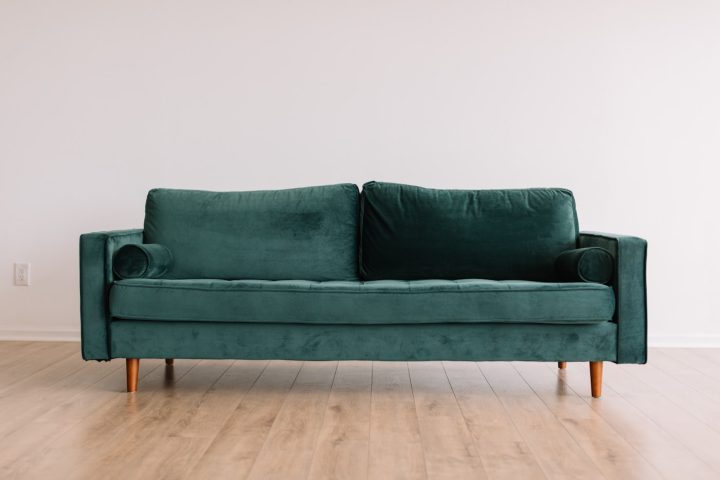
Why Sofa Cushions Sag (and Three Ways to Bring Them Back)
A sagging sofa is not a worn-out sofa. It is a sofa with three fixable problems, each with…
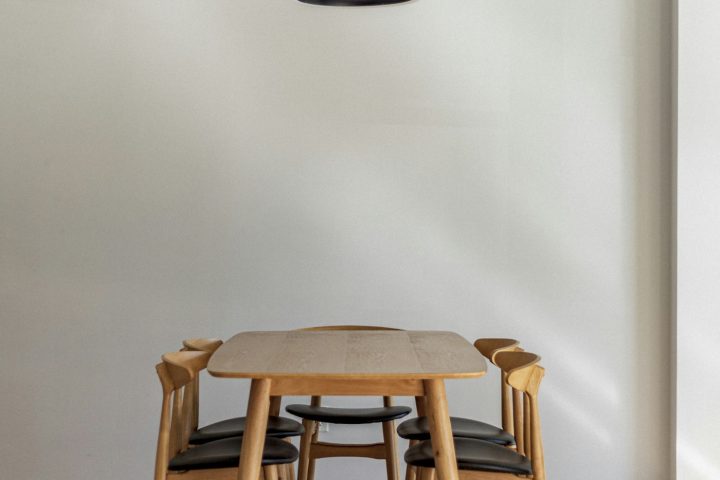
The Honest Way to Fix Scratched Wood Furniture at Home
You do not need professional refinishing. You need to identify the scratch, match the wood, and stop the…
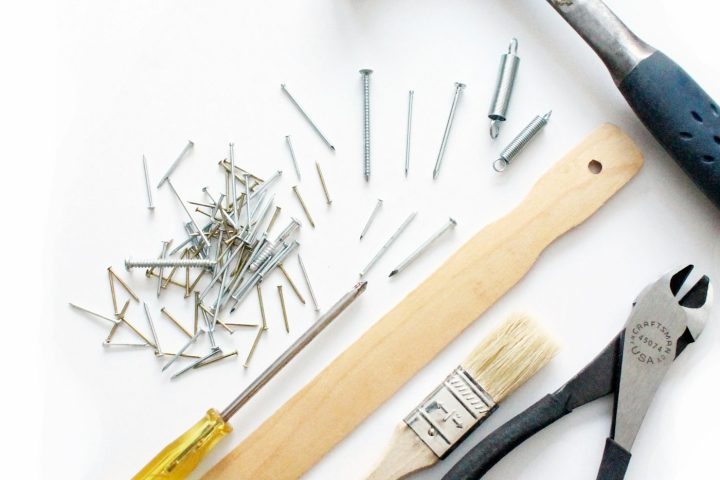
The Beginner’s Guide to Re-Gluing a Loose Joint
A loose joint is the easiest furniture repair there is, provided you remove the old glue properly.