Why Sofa Cushions Sag (and Three Ways to Bring Them Back)
A sagging sofa is not a worn-out sofa. It is a sofa with three fixable problems, each with a different solution.
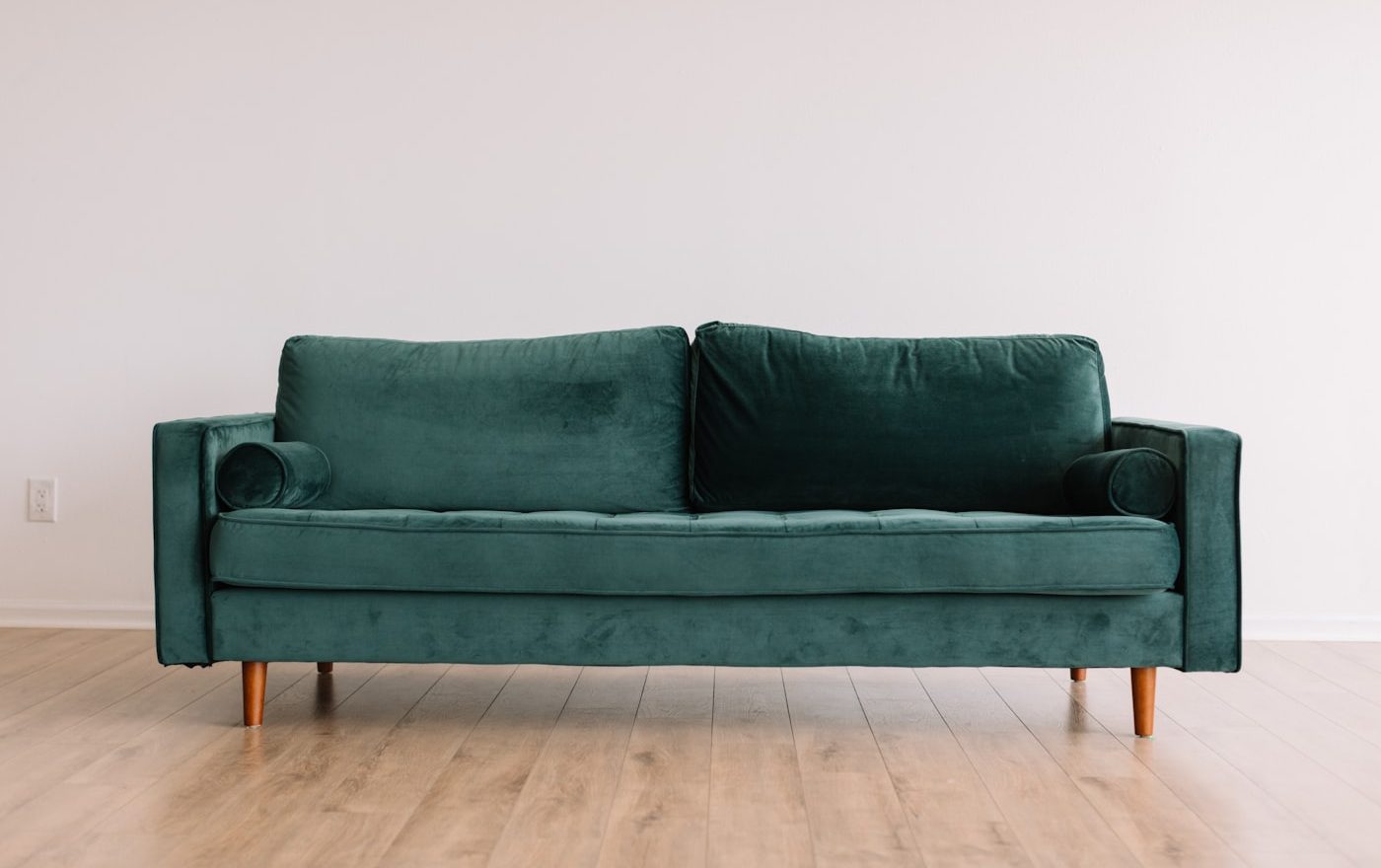
The sofa in our living room is twelve years old. Three years ago, the seat cushions started to sag in the middle in a way that was beginning to look genuinely tired. I came close to replacing the whole thing. I spent an evening looking at new sofas online, found nothing under a thousand pounds that I actually liked, and decided to investigate the sagging before committing.
The repair took an afternoon. Total cost was under sixty pounds. Three years later, the sofa looks fine, and I have a much better understanding of why sofas sag and what can be done about it.
What is actually sagging
When a sofa cushion sags, three different things may be wrong. Identifying which one is the key to choosing the right fix, because each requires a different approach.
The cushion itself. The foam inside the cushion has lost its structure. This is by far the most common cause, particularly on sofas more than five years old.
The webbing or springs below the cushions. The support system that the cushion sits on has weakened. This is more common in older or higher-end sofas with proper spring construction.
The frame. The wooden frame has weakened or broken. Rare but serious; it usually announces itself with creaking sounds before any visible sag.
You can diagnose all three in five minutes. Lift the cushion off entirely. Press down on the surface where the cushion used to sit. If the platform under the cushion feels rigid and supportive, the cushion itself is the problem. If the platform sags or feels springy in a flexible way, the support system is failing. If you hear or feel any creak or shift in the frame, the frame may be compromised.
Fix one: the cushion itself
If the foam inside the cushion has collapsed, you have three options in increasing order of effort and quality.
Option A: a foam shape topper. Buy a pre-cut block of high-density foam roughly the size of your cushion (any upholstery supplier or online seller has these) and slide it into the cushion cover behind or under the existing foam. This is the laziest fix; it restores some firmness but does not replace the worn foam. Cost: twenty to forty pounds per cushion.
Option B: full foam replacement. Unzip the cushion cover. Remove the old foam. Take it to an upholstery shop or measure it carefully and order a replacement online cut to size. Specify high-density foam, ideally 35 to 50 kilograms per cubic metre, which is what good furniture uses. Slide the new foam into the cover. Cost: fifty to a hundred pounds per cushion depending on size and density.
Option C: foam plus wrap. Order foam as in option B, but also order a thin layer of dacron (polyester batting) to wrap around the foam before fitting. This produces the soft, slightly rounded edge that high-end sofas have, and gives the cushion a more luxurious feel. Cost: an extra ten to twenty pounds per cushion.
I went with option C on our sofa. The difference in how the cushions feel is striking; they have crisp edges, even firmness across the surface, and have held up perfectly through three years of daily use.
Fix two: the support system
If the platform under the cushions has lost its support, the problem is usually one of two things: the elastic webbing has stretched, or the metal springs (zigzag or coil) have lost tension.
For elastic webbing (the soft, flat straps you can see under most modern sofas if you turn them upside down), replacement is straightforward. Buy a roll of upholstery webbing, remove the old strips by pulling out the staples, stretch and staple new strips in their place. The job requires a heavy stapler and an upholsterer’s webbing stretcher (which can be improvised with a length of wood and a couple of bolts). Total cost: twenty pounds for the materials, an hour of work per cushion area.
For zigzag springs (the spring steel coils you can sometimes see through the bottom fabric of a sofa), the fix is more involved. You can buy a “sofa support” panel that sits on top of the springs and redistributes weight. These are sold as boards or pads of various sizes. They are not a true fix but they extend the useful life of the existing springs by years. Cost: thirty to sixty pounds.
For coil springs (in higher-end traditional sofas), the only proper fix is professional re-springing, which is genuinely a specialist job and not cheap. For a sofa worth re-springing (an antique or a high-end piece), it is worth doing. For a typical high-street sofa, you may want to replace.
Fix three: the frame
A broken or cracked frame is a serious problem that should not be ignored, because a structurally compromised frame can collapse under load. For a hairline crack in a wooden support, you can usually re-glue and clamp the joint, then reinforce it with a corner brace from a hardware shop. For a fully snapped frame member, you need to either fabricate a replacement piece (a job for someone competent with woodworking) or accept that the sofa is at the end of its life.
If you suspect frame damage and you are not confident with woodworking, take a few minutes to look online for the construction of your specific sofa, or remove the bottom fabric to inspect. Frame damage in good-quality sofas is rare; it usually appears in cheap construction where particle board has split, in which case the repair is unlikely to last.
The often-forgotten step: flipping and rotating
One of the small habits that prolongs sofa life dramatically is flipping the cushions weekly and rotating them between positions. If you and your partner each sit in the same spot every evening, the cushion in that spot bears all the load. Flip the cushions over (top to bottom) every few days, and swap them between seats once a week. This distributes wear and meaningfully extends the life of the foam.
For habits that apply across all furniture, our furniture maintenance piece covers the broader pattern.
The cushion cover problem
If your sofa cushions are sagging visually but the foam still feels firm, the issue may actually be a stretched cushion cover. Covers stretch over years, and a loose cover allows the foam to settle and shift inside it. Removing the cover and washing it on a hot cycle (if the care label allows) can shrink it back; sometimes this alone restores a much better-looking cushion.
If the cover has stretched permanently, replacement covers can be ordered for some sofas (particularly major brands), or made by a local upholsterer for any sofa, often more affordably than you would expect.
When the sofa really is finished
If three or more of the cushions, the support, the frame, and the upholstery have failed simultaneously, you are looking at the cumulative end of a sofa’s life. Replacement is reasonable. But before you write it off, work through the items above one at a time. Sofas are often better made than we give them credit for, and a single afternoon of work can buy years of additional service.
For another piece of upholstery work that benefits from the same patient approach, see our dining chair reupholstery guide.
For a related angle, our piece on What to Do About a Sagging Bookshelf covers a closely connected problem.
Frequently Asked Questions
For seat cushions, look for high-density foam in the 35-50 kg per cubic metre range, often labelled as "luxury", "high-resilience", or "HD" by suppliers. Lower density foam (under 30) compresses quickly and will sag again within a year or two. For back cushions, you can go slightly softer (25-35), since they bear less weight. Most sofas with sagging cushions originally used lower-density foam to keep costs down; upgrading to higher-density on replacement is the easiest single improvement you can make.
High-end sofas with high-density foam should hold their shape for ten to fifteen years before any significant sagging. Mid-range sofas typically show sagging in five to eight years. Budget sofas with thin or low-density foam can sag within two to three years. Flipping cushions regularly extends life across all categories. If your cushions sagged unusually fast, the original foam was likely too soft for the use it was getting; upgrading on replacement usually solves it.
For a quick fix, yes; a layer of new foam on top of the old can restore a lot of firmness. For a proper repair, no; the old, collapsed foam underneath continues to break down and the new foam compresses faster as a result. If you are going to the trouble of opening the cushion, remove the old foam entirely and replace it. The job is the same effort either way and the result is dramatically better.
It depends on the value of the sofa. Reupholstery typically costs between four hundred and twelve hundred pounds for a three-seater, depending on fabric choice and complexity. For a high-end sofa or one with significant sentimental value, that is excellent value compared to replacing. For a typical high-street sofa originally costing six hundred, reupholstery rarely makes financial sense. The structural frame and the upholstery are separate questions; you can replace just the cushions and webbing without touching the visible fabric.
Almost always because that cushion gets used more. The person who sits in that spot uses the cushion much harder than the others, and the foam compresses faster. The fix is twofold: replace the foam in that cushion, and start rotating cushions weekly going forward. Within a few months of consistent rotation, all cushions wear at the same rate. If you only ever sit in one spot, expect to replace that cushion every few years regardless.

Smit Sharma
Smit Sharma writes and edits Repair Habit. He is not a licensed technician of anything. What he knows about repair he picked up the ordinary way: watching his father fix things around the flat rather than throw them away, spending two summers as an apprentice in a small electronics shop, and, once he had his own place, running through the mistakes himself on his own washing machine, kettle, chairs, and car. He is a working parent, a slow buyer of new things, and a slightly obsessive maintainer of the ones he already owns. He does not believe repairing your dishwasher makes you a better person. He believes it is often the cheapest and quietest response to a small problem, which is roughly all the philosophy this site carries.
You may also like

A Step-by-Step Guide to Reupholstering a Dining Chair Seat
A drop-in dining chair seat is the easiest reupholstery job in the house. Two hours, fifteen pounds, and…
How to Stop a Drawer From Sticking, Permanently
A sticking drawer is almost always one of three simple things, and the permanent fix takes ten minutes.

How to Restore an Old Wooden Chest of Drawers
Bringing an old chest back to useful life is a weekend project with eight steps and the patience…