A Quiet Guide to Refrigerator Maintenance Most People Skip
Fridges are the most patient appliance you own. They will keep working until they cannot, and a few small habits make that day arrive much later.
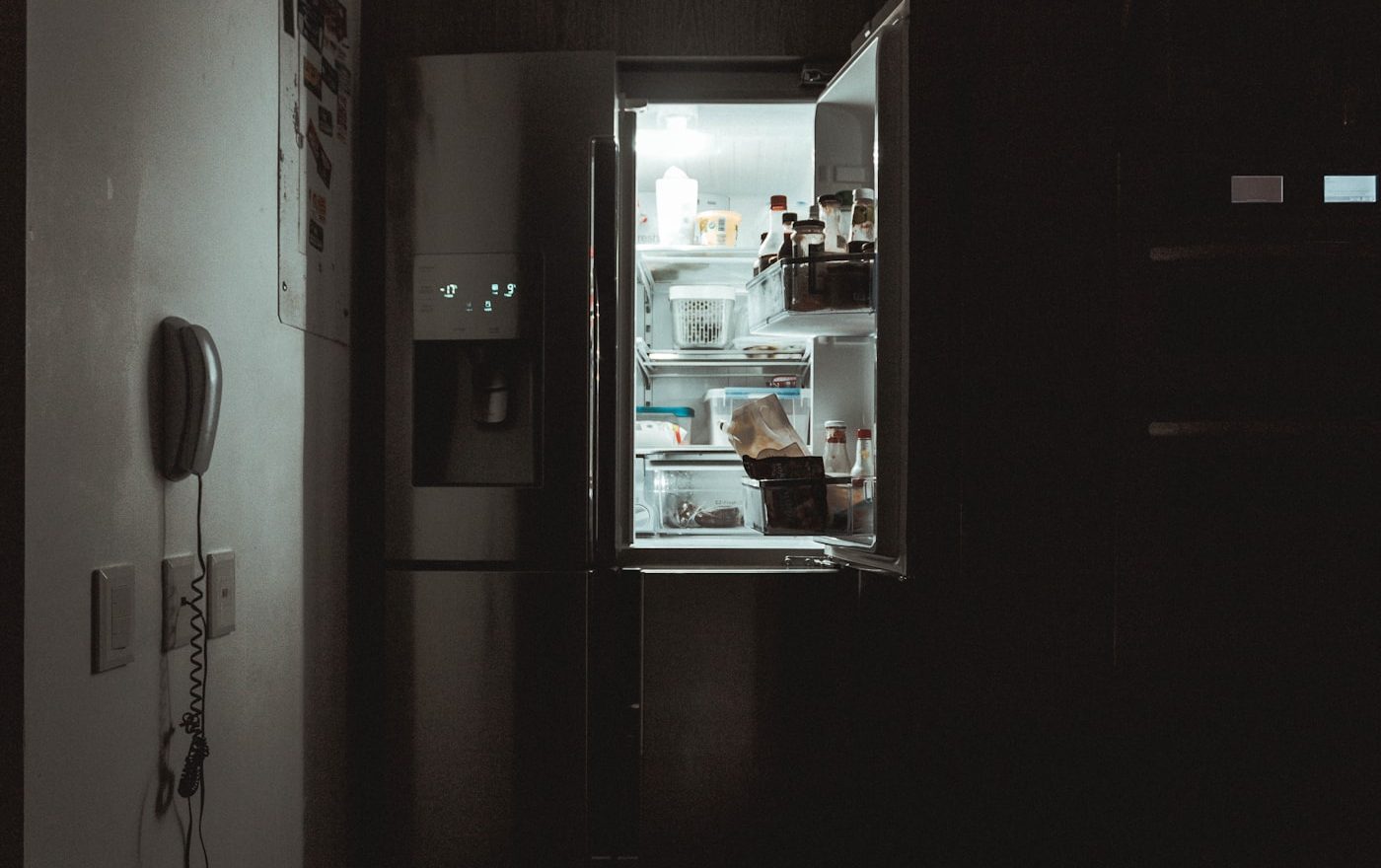
Of all the appliances in a typical house, the refrigerator is the one that gets the least attention. We notice when the dishwasher stops cleaning, when the washing machine smells, when the oven runs cold. We almost never notice when the fridge is silently working harder than it should be. It is a quiet machine that does its work in the background, twenty-four hours a day, every day, for what we hope will be many years.
Our last fridge was an old Bosch that came with the house. It ran for nineteen years before it finally gave up, and the previous owner left a folder of receipts showing it had been serviced exactly three times in its life. Three. Not for repairs; just for the kind of attention I am about to describe.
The condenser coils are doing the real work
On the back or underneath of almost every fridge there is a black, grid-like coil. This is the condenser. It is where the heat from inside your fridge is released into the air around it. As long as those coils are clean, the fridge runs efficiently. As soon as they are coated in a soft layer of dust, hair, and kitchen grease, the fridge has to work much harder to keep the inside cold. Energy bills go up. The compressor runs longer and hotter. Eventually it gives up early.
Pull the fridge out from the wall once a year, twice if you have pets or live somewhere dusty. Unplug it. Use the brush attachment on your vacuum to clear the coils thoroughly. If they are properly grubby, follow up with a long-handled brush sold for radiator cleaning. The whole job takes fifteen minutes. The difference in energy efficiency over the year is substantial.
The door seals quietly decide your bill
The rubber seal around the fridge door is one of the most important and most ignored parts of the whole machine. If the seal is even slightly compromised, cold air leaks out, warm air leaks in, and the compressor runs almost constantly. You may not hear it, but you will pay for it.
Test the seal with a sheet of paper. Close the door on the paper, then try to pull it out. There should be noticeable resistance all the way around the door. If the paper slides out easily at any point, the seal is failing at that spot. Wash the seal with warm soapy water once every couple of months; built-up grease can prevent it from sitting flush. If the seal is cracked or no longer springs back when you push on it, replace it. A new gasket for a typical fridge runs between forty and ninety pounds and is usually a tool-free fit.
For more detail on this single repair, our piece on the refrigerator door seal walks through how to do it yourself.
The right temperatures, the right way
Most fridges run slightly colder than they need to. The ideal fridge temperature is between 3 and 5 degrees. The ideal freezer temperature is around minus 18. Anything significantly colder than that is just extra work for the compressor and extra ice build-up to deal with. Buy a small thermometer and put it on the middle shelf for a day. Adjust the dial. Many fridges have a vague 1-to-7 dial that has nothing to do with degrees; the thermometer tells you what is actually happening.
Defrost, even if your freezer claims it does not need to
Frost-free freezers do still build up small amounts of ice over time, particularly around the air vents at the back. Once every couple of years, empty the freezer into cool bags, switch it off, and let it warm to room temperature. Wipe everything down. Switch it back on, give it an hour to come back down to temperature, and refill it. The freezer will run more efficiently and the items inside will stay properly frozen.
If you have an older, manual-defrost freezer, do this once a year regardless. A centimetre of ice on the inside walls is enough to noticeably increase your electricity bill.
What lives in the drain hole
There is a small drain hole at the back of most fridges, usually low down on the inner back wall. It is designed to carry condensation away into a small tray on top of the compressor where it evaporates. Over time, that drain hole gets clogged with bits of food, sticky drink spills, and general kitchen residue. When it blocks, you start to find pools of water at the bottom of the fridge.
Clear it with a thin, flexible cleaning brush, or even a pipe cleaner. Flush it with warm water mixed with a small amount of washing-up liquid. While you are there, lift the bottom drawer out entirely and wipe under it. It is one of those areas almost no one cleans, and the surprise is rarely pleasant.
How you stack the inside matters more than you think
- Leave space between items so air can circulate. A packed fridge cools unevenly and the compressor runs more.
- Do not block the air vents at the back of the fridge or the top of the freezer.
- Keep raw meat on the bottom shelf so any drips do not contaminate other food.
- Dairy goes in the main body, not in the door, which is the warmest spot.
- The door is where you put things that you would not mind warming slightly: condiments, drinks, soft cheeses.
- Wipe up spills the day they happen. Old spills become smells, and smells eventually transfer to food.
What you can leave to a professional
If your fridge starts making a clicking noise that comes and goes, the compressor relay may be failing. That is a repair job, not a DIY job. If the freezer makes ice but the fridge is not cooling, the evaporator fan or the defrost timer may be at fault. Again, professional territory.
For everything else, the quiet maintenance habits above will let you forget about your fridge for years at a time. We do not service ours often. We just give it a thorough fifteen-minute look once a year, in the same weekend we change the smoke alarm batteries and check the boiler pressure. The relationship between small, regular attention and long-lasting appliances is not subtle. It is the central rule of running a household.
For other appliances that benefit from the same approach, see our Sunday-afternoon maintenance routine.
For a related angle, our piece on How to Bring a Slow Microwave Back to Life Without Replacing It covers a closely connected problem.
Frequently Asked Questions
Once a year for most households is enough. Twice a year if you have a long-haired pet, live somewhere very dusty, or your fridge sits where cooking fumes can settle on the coils. Pull the fridge out, unplug it, and run the brush attachment of your vacuum across the coils. It is a fifteen-minute job that can extend the life of the compressor by years. If you have not done it in the years you have owned the fridge, expect a surprising amount of dust the first time. After that, it stays manageable.
No. A healthy fridge cycles on and off; the compressor runs for ten or fifteen minutes, then rests for a similar period. If yours runs continuously, the most common causes are dirty coils, a failing door seal, a temperature setting that is too cold, or warm food placed inside it. Work through each of those first. If the constant running continues, the compressor itself or the refrigerant may be failing, which is a repair worth pricing against the cost of a new fridge.
Either the temperature sensor is in the wrong place or the air vent from the freezer is too close to the top shelf. Move items away from the back wall and the air vents. Many fridges have a small dial on the back wall labelled "fresh food control" or similar; turn it down a notch. If the freezing persists, the temperature sensor may need replacing. That is a relatively cheap repair compared to a new fridge.
The drain hole at the back wall has blocked. It is supposed to channel condensation away to evaporate on top of the compressor. When it clogs, that water has nowhere to go and pools inside. Find the drain hole, usually visible at the back of the fridge low down, and clear it with a pipe cleaner or a thin flexible brush. Flush with warm water and a drop of washing-up liquid. The problem should not return for many months.
A mid-range fridge that is properly maintained should reach fifteen to twenty years without major repairs. A poorly maintained fridge will start needing parts at around eight to ten. The biggest single factor is the cleanliness of the condenser coils. The second biggest is whether the door seal has been checked and replaced if needed. Compressors are remarkably durable when not asked to work harder than necessary; the things around the compressor are what determine how long it lives.

Smit Sharma
Smit Sharma writes and edits Repair Habit. He is not a licensed technician of anything. What he knows about repair he picked up the ordinary way: watching his father fix things around the flat rather than throw them away, spending two summers as an apprentice in a small electronics shop, and, once he had his own place, running through the mistakes himself on his own washing machine, kettle, chairs, and car. He is a working parent, a slow buyer of new things, and a slightly obsessive maintainer of the ones he already owns. He does not believe repairing your dishwasher makes you a better person. He believes it is often the cheapest and quietest response to a small problem, which is roughly all the philosophy this site carries.
You may also like

A Calm, Sunday-Afternoon Maintenance Routine for Major Appliances
Twice a year, three hours, every major appliance in your house gets twenty minutes of quiet attention. Here…

Why Your Dishwasher Smells (and Why It Is Not the Same Problem as a Washing Machine)
Dishwasher smell is not the same problem as a stinking washing machine. The fix is the filter, the…

The Beginner’s Guide to Vacuum Cleaner Repair
Vacuums are mechanical things with three or four common failure points, almost all of which a beginner can…