The Real Reason Your Washing Machine Smells (and How to Fix It For Good)
A musty washer is almost never a soap problem. It is a maintenance problem with a quiet, two-week fix.
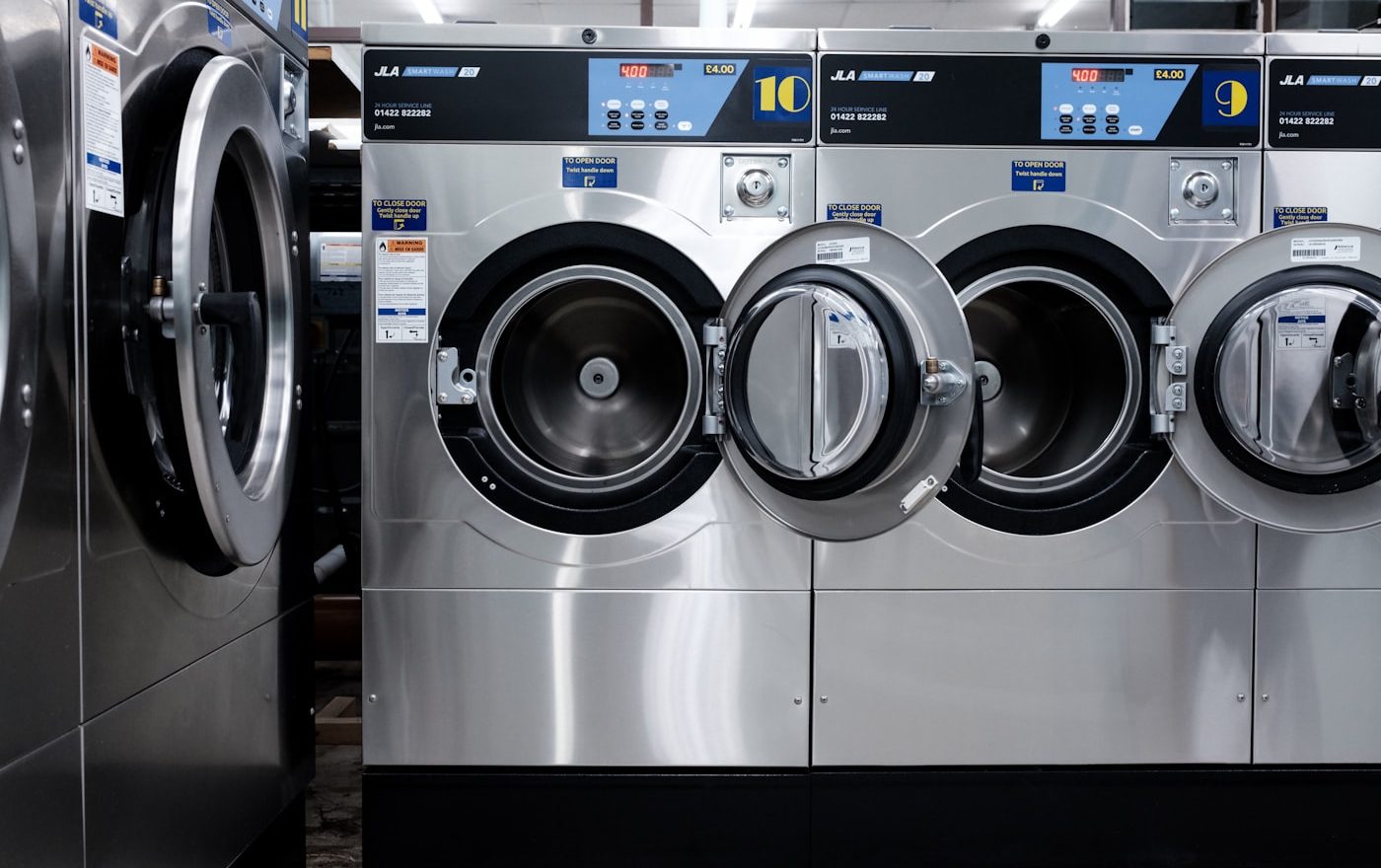
The first time I noticed our washing machine had started smelling, I did what most people do. I poured in more detergent. I ran an empty wash on the hottest cycle I could find. I bought one of those little blue tablets the supermarket sells next to the powders, the kind with a worried-looking technician on the packet. The smell came back within a fortnight. So did my mild sense of failure.
It took a long phone call with a family friend who spent decades repairing white goods for a living, to explain what was actually happening. The smell is not really about your clothes, your detergent, or your water. It is about a slow build-up of three quiet things that almost nobody is told about when they buy a new washer.
What is actually growing in there
The smell is biofilm. It is a thin, gelatinous layer of bacteria, soap residue, and body oils that collects in the parts of the machine that never properly dry out. Modern washers run cool wash cycles, often at 30 or even 20 degrees, because everyone is rightly trying to save energy. The trouble is that cool water does almost nothing to kill the kinds of bacteria that thrive on damp fabric softener and limescale.
Three places quietly host most of the trouble. The rubber door gasket on a front-loader, with its folds and pockets that catch water. The detergent drawer, which is almost always wetter than it looks. And the drain filter, hidden behind a small panel at the bottom front of the machine, which most people do not know exists.
The two-week fix that actually works
You do not need a special product. You need three things you probably already have, and about forty minutes spread over two weekends.
The first weekend, pull back the rubber door seal on your front-loader. If you have a top-loader, lift the agitator and look underneath. You will almost certainly find a soft dark layer in the folds. Mix a small bowl of warm water with a tablespoon of bicarbonate of soda and a teaspoon of washing-up liquid. Use an old toothbrush and a microfibre cloth. Work it into every fold of the rubber, every pocket where water can sit. It will look worse before it looks better. That dark stuff coming off is the source of the smell.
Pull out the detergent drawer entirely; on most machines there is a small clip or button at the back that releases it. Soak it for fifteen minutes in hot water, then scrub the residue out with the same toothbrush. While the drawer is out, look into the cavity. There is usually a build-up of soap scum on the roof of the cavity that you can reach with a long-handled brush.
The second weekend, find your drain filter. Almost every front-loader has one. There is usually a small kick panel at the bottom front of the machine; pop it open with a coin. Put an old towel down because water will come out. Unscrew the filter slowly. You may find coins, hair grips, screws, a small piece of plastic from a cereal box, and a thick mat of lint. The filter is also where dead biofilm collects. Wipe everything clean, screw it back, replace the panel.
Why a 90-degree wash matters
Once a month, run an empty cycle on the hottest setting your machine allows, usually 90 degrees. Add half a cup of plain white vinegar to the drum and nothing else. No detergent. Vinegar is mildly acidic, it dissolves limescale, and at that temperature it kills the bacteria your cool washes cannot touch. This is the maintenance step most people skip because no manufacturer tells them about it. It is the single biggest thing you can do to keep a smell from coming back.
If the smell is particularly stubborn, do the same cycle a week later with half a cup of bicarbonate of soda in the drum instead. The two together, on alternating months, will keep a normally-used family washer pleasant indefinitely.
The everyday habits that quietly help
- Leave the door and the detergent drawer cracked open between washes. Even an inch is enough. The drum needs to dry out fully, and a sealed door traps moisture against the rubber.
- Move wet clothes out within an hour of the cycle ending. Damp fabric sitting against the rubber is one of the main sources of biofilm.
- Use less fabric softener, or none at all. Fabric softener coats the inside of the drum and the pipes; bacteria love it. Most modern detergents already include softening agents.
- Wipe the rubber gasket out with a dry cloth every couple of weeks. It takes thirty seconds. You will be amazed how much grey film comes off.
When to call someone
If you have done all of the above for two months and the smell remains, the problem may be deeper in the machine. A blocked sump hose, a partial blockage in the drain pump, or a faulty non-return valve in the waste pipe can let smelly drain water back into the drum. These are not jobs for a confident amateur. A local appliance engineer will fix any of them in under an hour for less than the cost of a takeaway dinner. If your washer is more than ten years old and the smell will not lift, it is also fair to start asking whether the seal itself has perished. They are inexpensive to replace and do not last forever.
For broader appliance habits, our calm Sunday-afternoon maintenance routine covers the rhythm we recommend. And if your dryer has also started smelling, the cause is often very different; the dryer vent guide walks through the most common one.
Most washers are perfectly capable of running cleanly for fifteen years. What changes them from a quiet appliance into a smelly one is almost always neglect of three small parts that take less than an hour, twice a year, to look after. It is not glamorous work. It is just the kind of small, repeated attention that the things in our homes need from us.
For a related angle, our piece on How Often You Actually Need to Clean Your Range Hood Filter covers a closely connected problem.
Frequently Asked Questions
Not really. The branded cleaners are mostly mild bleach, a fragrance, and clever marketing. They work, but they cost five to ten times more than a bottle of white vinegar that does the same job. The one exception is if your machine has very heavy limescale build-up in a hard water area, in which case a proper limescale-targeted product can shift more in one cycle. For routine monthly maintenance, vinegar is genuinely fine. Just do not mix vinegar and bleach in the same cycle. Choose one or the other.
Every three months is plenty for a typical family, and twice a year is the minimum I would suggest. If you have small children, pets that shed, or anyone in the house who tends to leave things in pockets, you may want to check it every couple of months. It takes less than five minutes once you have done it once. Pop the kick panel open, place a towel, unscrew the filter slowly, clean what comes out, screw it back. A surprising number of machines are scrapped because owners never realise the filter exists.
Two possibilities. The first is that you are washing exclusively cool, which is genuinely a modern problem. New machines do not get hot enough often enough to keep bacteria down. Run a hot empty cycle once a month and the smell will fade. The second is that the rubber door seal has a manufacturing residue that needs cleaning off; wipe it down thoroughly in the first month. If neither of those helps, contact the manufacturer. A new machine should not smell, and you may have a warranty issue with the drain or seals.
You can, occasionally. Half a cup of household bleach in an empty hot cycle every two or three months will deal with bacteria thoroughly. But bleach is hard on rubber seals over the long term, it strips out the natural lubricants that keep the door gasket flexible, and overuse can shorten the life of those seals by years. I prefer to alternate between vinegar one month, bicarbonate of soda the next. If you do use bleach, never combine it with vinegar or any acidic cleaner in the same load. It releases chlorine gas, which is genuinely dangerous.
If the machine is under twelve years old, mechanically sound, and you have not yet done a deep clean of the gasket, drawer, filter, and run a hot vinegar cycle, then fix it. The total cost is under ten pounds and ninety minutes of your Saturday. If the machine is older, has had repeated mechanical issues, and the smell persists after a proper clean, it may be time to let it go. A well-maintained washer should comfortably reach fifteen years; if yours has been neglected for most of its life, the smell may be telling you something the warranty did not.

Smit Sharma
Smit Sharma writes and edits Repair Habit. He is not a licensed technician of anything. What he knows about repair he picked up the ordinary way: watching his father fix things around the flat rather than throw them away, spending two summers as an apprentice in a small electronics shop, and, once he had his own place, running through the mistakes himself on his own washing machine, kettle, chairs, and car. He is a working parent, a slow buyer of new things, and a slightly obsessive maintainer of the ones he already owns. He does not believe repairing your dishwasher makes you a better person. He believes it is often the cheapest and quietest response to a small problem, which is roughly all the philosophy this site carries.
You may also like

The Honest Truth About Cleaning Your Coffee Maker
Your coffee tastes a little off, your brewer takes longer than it used to, and the cause is…

Why Your Dishwasher Smells (and Why It Is Not the Same Problem as a Washing Machine)
Dishwasher smell is not the same problem as a stinking washing machine. The fix is the filter, the…

How to Actually Clean a Toaster Without Wrecking the Element
The crumb tray is the easy bit. The blackened bits welded to the element are the reason toasters…