Why Your Earbuds Sound Worse (and How to Bring Them Back)
Earbuds sound quieter and muddier over time. Three small things explain almost all of it.
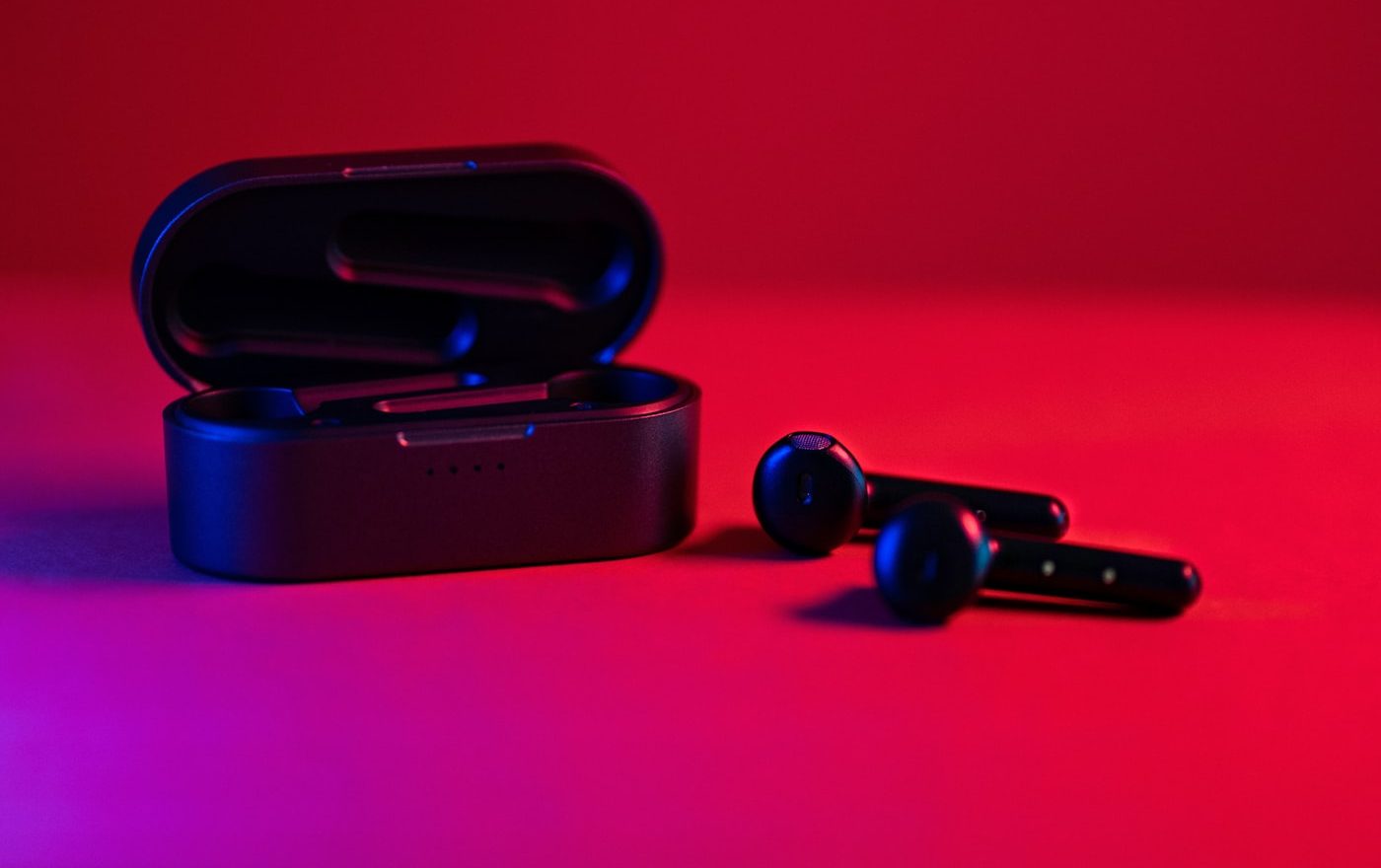
My wife handed me her wireless earbuds last spring and asked if I thought they were getting “tinny.” She had bought them two years before, used them daily, and was convinced they had degraded compared to when they were new. She was right and wrong at the same time. The earbuds had degraded, but not in a way they could not recover from.
Most earbuds that sound worse over time are not damaged in a permanent sense. They are just slowly choked by the buildup of one or more of three small things: earwax in the speaker grilles, sweat and skin oils in the mesh, and accumulated material in the case contacts. All are reversible. None of the fixes take more than ten minutes.
What earwax does to sound
The speaker grille on an earbud is a tiny mesh covering the speaker driver. Sound has to pass through this mesh to reach your ear canal. The mesh sits very close to your ear, often in contact with it, and over months of wear, earwax builds up on the mesh.
The effect on sound is significant. A heavily blocked mesh attenuates high frequencies (the brightness and clarity in music), muffles voices, and reduces overall volume. People describe the sound as “muddy” or “dull” or “quieter than it used to be.” All of these are accurate descriptions of what a blocked grille produces.
Cleaning the grille restores almost all of this. The improvement is often dramatic enough that people assume their earbuds had truly failed and are amazed when they come back.
How to clean earbud grilles properly
The tools: a soft dry toothbrush (or a small dedicated brush sold for the purpose), a wooden toothpick, and a microfibre cloth. Some people use a small amount of isopropyl alcohol on a cotton swab; this works but should be used sparingly and never near the inside of the speaker.
The technique:
- Hold the earbud with the grille pointing downwards. This is so that loosened debris falls out, not deeper in.
- Gently brush across the mesh with the soft brush, working back and forth. You will see fine particles loosen and fall.
- Use the toothpick to gently dislodge larger pieces of wax stuck to the mesh. Do not push toward the speaker; sweep across the surface.
- Wipe the rest of the earbud body with the microfibre cloth.
- If your earbuds have removable silicone or foam tips, take them off and wash them in warm soapy water; let them dry fully before refitting.
Avoid: pushing anything into the grille (which can damage the speaker), using water inside the speaker area, or using compressed air directly into the grille (which can push debris deeper).
A friend who repairs phones in a small shop in Bristol told me he gets earbuds in monthly that customers think need replacing, and a five-minute grille clean restores them entirely. The repair shop charge for this is the consultation fee. The lesson is that you can do this yourself.
The case contacts
Wireless earbud cases have small metal contacts inside that touch the bottom of each earbud to charge them. Over time, these contacts accumulate skin oils, lint, and oxidation. Charging becomes intermittent: sometimes the earbud charges, sometimes it does not, even when seated correctly.
Clean the case contacts with a cotton swab lightly dampened with isopropyl alcohol. Let dry for a minute. Wipe the matching contacts on the earbuds themselves the same way.
This is often the answer when one earbud does not charge consistently while the other does, or when both intermittently fail to start charging.
The case interior
The interior of the charging case accumulates pocket lint, dust, and the occasional crumb. This is unsightly but also functional: debris in the case can prevent the earbuds from seating fully, which causes the same charging issues as dirty contacts.
Use a soft brush to clear out the bottom of each earbud socket in the case. A dry cotton swab works for tight corners. For sticky residue, a microfibre cloth lightly dampened with water; never wet the inside of the case enough that liquid pools.
The battery situation
Beyond cleaning, wireless earbuds have batteries that genuinely degrade over time. After two to three years of daily use, the runtime of most wireless earbuds noticeably drops. The case battery also ages.
Unlike phones, earbud batteries are not replaceable in most consumer models. They are tiny, glued in place, and not designed for service. When the battery is sufficiently degraded that runtime is unacceptable, replacement of the earbuds is the practical answer.
You can extend battery life by similar habits to other lithium-ion devices: keep the case out of hot environments, do not let the case sit at 100% for weeks on end, do not let the earbuds discharge fully and sit empty. Most cases will keep the earbuds charged automatically when they are inserted; the case itself is what needs attention.
Sound profile changes
Some sound changes are not about dirt but about driver wear. Speaker drivers (the tiny actual speakers inside each earbud) have small physical components that flex with each sound; over years of use, the flexibility changes slightly and the sound profile can shift.
This is gradual and rarely dramatic. If your earbuds sound subtly different from when they were new but cleaning has not restored them entirely, this is normal driver aging. The good news is that for most people, the change is small enough not to matter, and the cleaning brings back enough quality that the earbuds are still very usable.
How often to clean
For daily-use earbuds: a quick brush of the grilles every couple of weeks, a thorough clean of grilles and case every couple of months, a deep clean including tip washing once a quarter. The pattern matches the wider rhythm of small device maintenance that keeps things working.
For occasional-use earbuds: less often. The frequency depends on use, not time.
For more on the rhythm of looking after small devices, see our phone maintenance routine. The same principles apply: small attention prevents the larger problems that look like equipment failure.
When to accept the end
Some failures are not recoverable: a driver that has been damaged by water exposure, a battery that no longer holds any charge, a physical break in the case or earbud body. For these, replacement is the answer.
But before assuming the earbuds are dead, do the cleaning. A surprisingly large fraction of “dead” earbuds are actually just clogged, and revive completely with ten minutes of careful attention.
Frequently Asked Questions
Sparingly and carefully. Isopropyl alcohol is excellent for cleaning the case contacts and the outside surfaces of earbuds. Avoid applying alcohol directly to the speaker grille (it can seep into the driver), and avoid alcohol on rubber or silicone tips (it dries them out and causes cracking). For tip cleaning, soap and water are gentler and more appropriate.
Almost always a blocked grille on the quieter side. Earwax builds up faster on whichever ear you use more (most people are slightly asymmetric in how their earbuds seat). Clean the grille of the quieter earbud first; the difference is often immediate. If the imbalance persists after thorough cleaning, the speaker driver may have been damaged (water exposure, drop, age) and the imbalance is more permanent.
Start with a reset. Most wireless earbuds have a reset procedure (usually holding a button on the case for 10-30 seconds with the lid open). Check the manufacturer documentation. After resetting, delete the earbuds from your phone's Bluetooth settings and pair fresh. If pairing still fails, the case battery may be too low to maintain a Bluetooth signal; charge the case fully first. Persistent failure after these steps often indicates a hardware issue.
Almost never. Modern wireless earbuds are built with miniature batteries glued and soldered in place; the process to replace them requires specialised tools and skills. A few enthusiast services do offer earbud battery replacement, but the cost is often close to replacement. The case battery is sometimes more accessible, depending on the model. For most users, when the battery is genuinely past its useful life, new earbuds are the practical answer.
Generally yes. Wired earbuds have no batteries to degrade, no Bluetooth chips to fail, and no charging case to lose. The most common failure on wired earbuds is the cable itself, particularly where it joins the earbud body, and that is usually repairable with patience. A good pair of wired earbuds can easily last a decade with care. Wireless earbuds typically have a usable life closer to three to five years before battery degradation forces replacement.

Smit Sharma
Smit Sharma writes and edits Repair Habit. He is not a licensed technician of anything. What he knows about repair he picked up the ordinary way: watching his father fix things around the flat rather than throw them away, spending two summers as an apprentice in a small electronics shop, and, once he had his own place, running through the mistakes himself on his own washing machine, kettle, chairs, and car. He is a working parent, a slow buyer of new things, and a slightly obsessive maintainer of the ones he already owns. He does not believe repairing your dishwasher makes you a better person. He believes it is often the cheapest and quietest response to a small problem, which is roughly all the philosophy this site carries.
You may also like
Why Your Wi-Fi Slows Down Every Evening (and What Actually Fixes It)
Every evening around seven your Wi-Fi crawls. Here is what actually causes it, what you can fix in…
The Honest Truth About Screen Protectors and Cases
Most cases and screen protectors do less than the marketing suggests, and a few are actively worse than…
How to Clean a TV Screen Without Wrecking the Coating
Modern TV panels carry a thin anti-glare coating that most household sprays quietly dissolve. Here is the chemistry,…