The Right Way to Clean and Condition Leather Furniture
Leather furniture wants two specific kinds of attention, four times a year, and most household cleaners are wrong for the job.
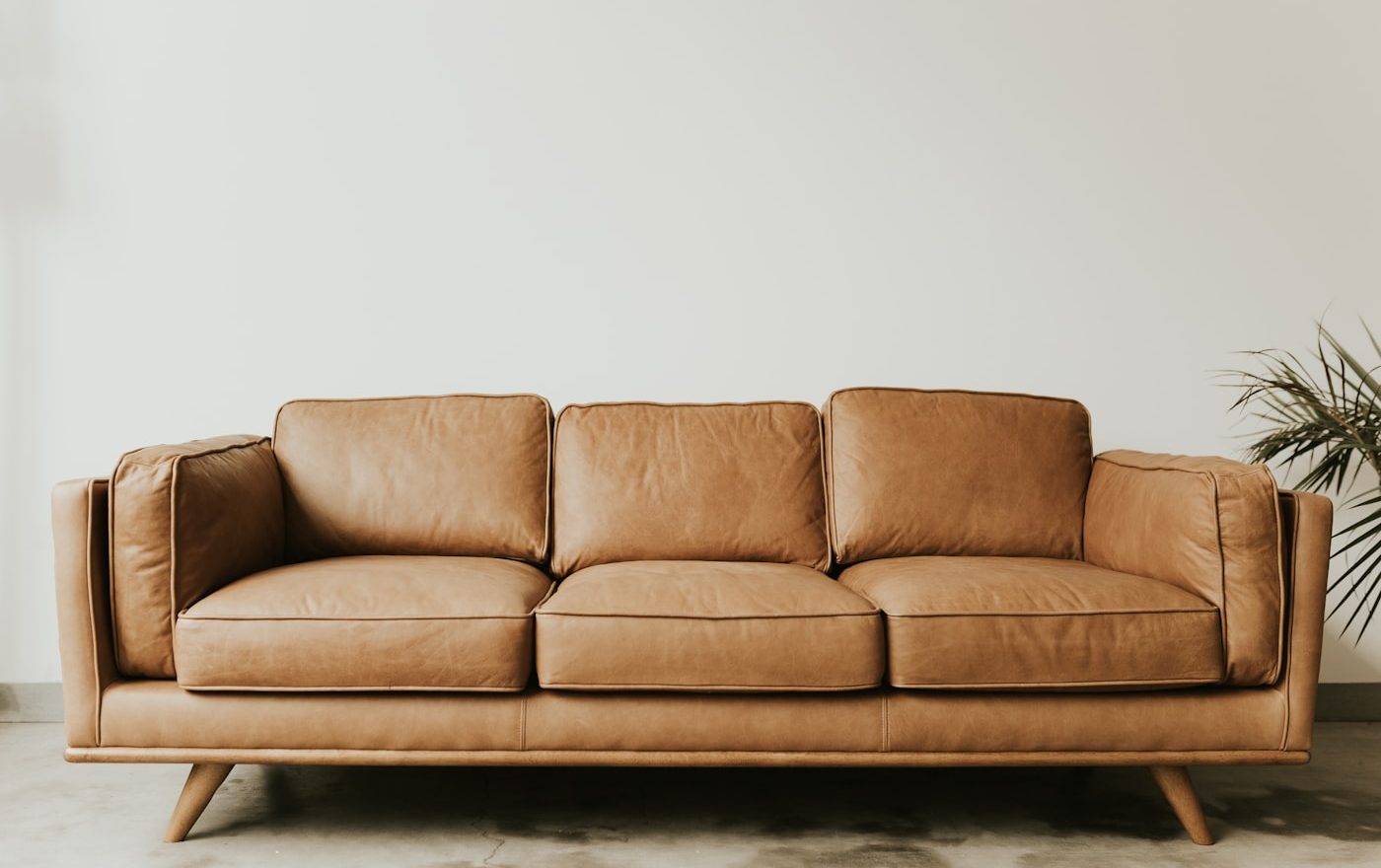
Our living room has a pair of leather armchairs that came from a charity shop in 2009 for almost nothing. They were already old then. They are properly old now. They have outlasted three different sofas in the same room, and they look better than any of them, partly because leather ages in a way that fabric does not, but mostly because someone before us looked after them properly, and we have tried to continue.
Leather furniture care is one of those topics where bad advice circulates widely. Half the popular tips actively damage leather. The actual care routine is simpler than the internet suggests, and produces dramatically better results than the alternatives.
What is on your leather
Almost all furniture leather has a protective finish. The most common is “pigmented” or “protected” leather, which has a thin coloured coating applied to the surface that handles most dirt and minor abrasion. Aniline and semi-aniline leather has less surface protection and shows wear and staining more readily. Suede and nubuck are unfinished and most vulnerable.
Identify what you have. If you can rub the surface gently with a damp cloth and no colour transfers, you have pigmented leather (the most common, easiest to care for). If colour does transfer, you have an aniline or semi-aniline finish that needs more careful treatment. If the surface has a fuzzy texture, it is suede or nubuck and follows different rules entirely (see our suede care guide for the principles).
The four-times-a-year routine
Most leather furniture benefits from two operations: regular cleaning to remove surface dirt and skin oils, and periodic conditioning to keep the leather supple. Doing both four times a year (roughly every three months) keeps furniture in excellent condition for decades.
Cleaning
For routine cleaning between full sessions, simply wipe down the leather with a soft, slightly damp cloth. Plain water is enough. Pay particular attention to areas that touch skin: arm rests, headrest areas, the front edges of seat cushions.
For a deeper clean, use a dedicated leather cleaner (any reputable brand sold for furniture leather). Apply a small amount to a soft cloth, never directly to the leather. Wipe in circular motions over the surface. Use very little; leather should be just dampened, not soaked. Wipe immediately with a clean dry cloth.
Avoid: household multi-surface cleaners, ammonia-based cleaners, bleach, abrasive scrubbers, baby wipes (which contain detergents that strip leather), and any product not specifically formulated for leather.
Conditioning
After cleaning and once the leather is fully dry, apply a leather conditioner. Conditioners are different from cleaners; they restore moisture and oils to the leather to prevent cracking and stiffness.
Apply a thin coat with a soft cloth, working in small sections. Let it absorb for ten minutes. Buff lightly with a clean cloth to remove any excess. The leather should feel slightly softer and look slightly richer in colour but should not feel oily or sticky.
Less is more. Over-conditioning produces a sticky surface that attracts dust and can darken the leather permanently in spots.
The product choice
Two reliable categories of product:
Saddle soap or saddle dressing. Traditional leather care products developed for horse tack and used by leatherworkers for centuries. Effective, gentle, widely available. Some leave a slight matte finish.
Modern leather care kits. Cleaner and conditioner sold as a pair, designed for furniture leather specifically. Often have a clearer or glossier finish, easier for beginners to use without overdoing it.
Avoid: olive oil and other kitchen oils (they go rancid in the leather over time), baby oil and mineral oil (they sit on the surface and attract dust), beeswax-only products (excellent for boots but can darken furniture leather unevenly), and shoe polish (the wrong colour matching and finish for furniture).
Spot stain treatment
For specific stains on leather, the right treatment depends on the stain.
Ink: wipe immediately with a clean cloth; the longer it sits, the deeper it penetrates. For dried ink, a leather-specific ink remover applied per instructions. Avoid alcohol or solvents, which strip the leather’s finish along with the ink.
Grease and oil: blot immediately; do not rub. Sprinkle with cornflour or baking soda to absorb. Leave overnight, then brush off. The stain often disappears completely.
Water marks: dampen the entire area (not just the stain) with a slightly damp cloth so the water mark blends with overall dampness, then let dry evenly. Most water marks fade.
Dye transfer from clothing: particularly common with new dark jeans on light leather. Treat as soon as possible with a leather-specific dye transfer remover. Old dye transfer is genuinely difficult to remove and may require professional restoration.
The slow practices that matter
Beyond the quarterly routine, several daily and weekly practices keep leather in good condition.
- Keep leather furniture out of direct sunlight, which fades colour and dries out the leather. If sunlight is unavoidable, rotate cushions weekly so wear is even.
- Keep leather away from heat sources (radiators, fireplaces). Heat accelerates the moisture loss that conditioning is meant to address.
- Wipe up spills immediately. Leather is more forgiving than fabric but only if you act fast.
- Avoid sharp objects: belt buckles, jewellery, pets’ claws. Small scratches on leather can be polished out; deep gouges generally cannot.
- Vacuum the crevices and under cushions weekly to remove grit that can otherwise scratch the surface.
What about cracked or peeling leather?
If your leather has reached the cracked or peeling stage, you are looking at restoration rather than maintenance. Specific products exist for filling cracks and re-colouring leather, and they can produce surprisingly good results for moderate damage. For severe degradation, professional restoration is an option, though it is rarely cheap.
The honest truth is that prevention is much easier than restoration. Leather that has been conditioned regularly does not usually crack. Leather that has dried out for years is much harder to bring back.
For more on the broader rhythm of looking after furniture, see our furniture maintenance habits. And if you are also caring for leather shoes, the principles transfer well; see our leather shoes guide for the equivalent routine.
Frequently Asked Questions
No, and this is one of the most common mistakes people make. Baby wipes contain mild detergents and sometimes alcohols that strip the protective finish on leather over time. The damage is not visible immediately but compounds over months and years, leaving the leather dry, faded, and vulnerable to cracking. Use a slightly damp soft cloth for routine cleaning, and a proper leather cleaner for deeper sessions.
Run your hand across the leather. It should feel soft and slightly supple. If it feels papery, dry, or stiff, it needs conditioning. Look at the surface: if you can see fine network of small wrinkles or hairline cracks developing, conditioning is overdue. In a normally heated home, four times a year is usually right; in a very dry environment (or for furniture near a heat source), six times a year may be better.
Surprisingly well with sensible precautions. Cats can scratch leather more easily than fabric, but they generally find leather less interesting to scratch in the first place. Dogs rarely damage leather unless they jump on it with muddy paws or chew it. Pet hair is far easier to remove from leather than from fabric. The biggest risk is claws on aniline or semi-aniline leathers; pigmented leathers are tougher. Establishing house rules early helps; most pets learn quickly which furniture is for them and which is not.
Three common causes. The first is body oils accumulated where heads rest against the back; clean these areas regularly. The second is over-conditioning; too much conditioner darkens the leather permanently. The third is sunlight exposure causing uneven fading where one part of the sofa is exposed and another is not. The first two can be cleaned. The third is irreversible.
For valuable or sentimental leather furniture that has been neglected, yes; a professional cleaning and conditioning can dramatically improve appearance. For routine maintenance, no; doing it yourself is straightforward and effective. The exception is heavily stained or aged leather where restoration includes re-colouring or filling cracks; that genuinely benefits from professional skill. Quote shops before committing; prices for professional leather restoration can range widely.

Smit Sharma
Smit Sharma writes and edits Repair Habit. He is not a licensed technician of anything. What he knows about repair he picked up the ordinary way: watching his father fix things around the flat rather than throw them away, spending two summers as an apprentice in a small electronics shop, and, once he had his own place, running through the mistakes himself on his own washing machine, kettle, chairs, and car. He is a working parent, a slow buyer of new things, and a slightly obsessive maintainer of the ones he already owns. He does not believe repairing your dishwasher makes you a better person. He believes it is often the cheapest and quietest response to a small problem, which is roughly all the philosophy this site carries.
You may also like
How to Tighten a Wobbly Chair Without Replacing It
A wobbly chair is almost never broken. It is just loose, and loose joints have a quiet, durable…
How to Silence a Squeaky Bed Frame at Two in the Morning
Every squeak is a joint moving where it should not. Locating which one, at midnight, without waking anyone,…
The Beginner’s Guide to Re-Gluing a Loose Joint
A loose joint is the easiest furniture repair there is, provided you remove the old glue properly.