What to Do When Your Dryer Won’t Stop Squeaking
A squeaking dryer is almost never a serious problem. It is one of four small parts asking for attention, and most are under twenty pounds to fix.
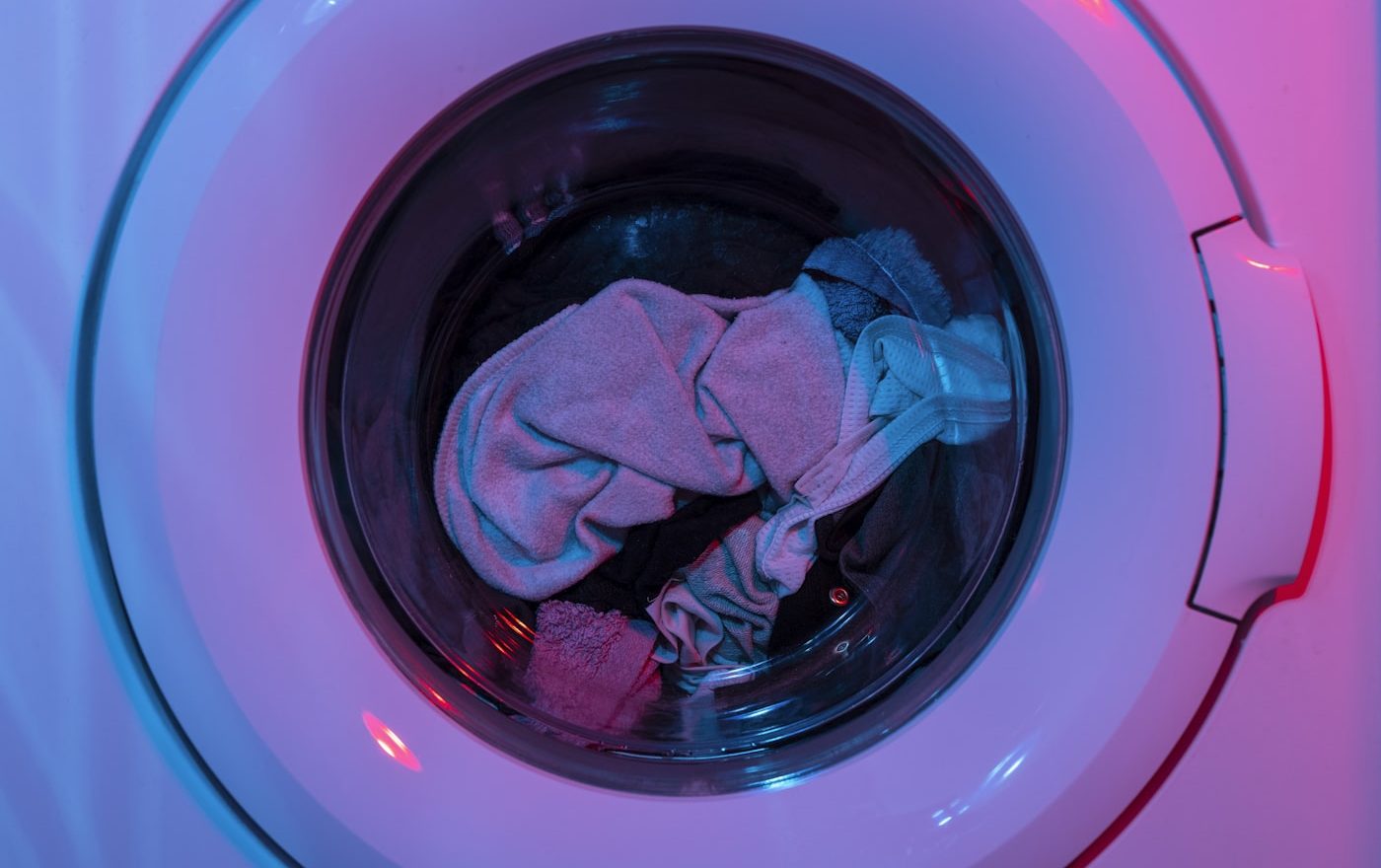
Squeaking from a tumble dryer is one of those noises that starts as an occasional curiosity and progresses, over weeks, to an unignorable presence in the household. We had a dryer once that developed a high-pitched squeal so persistent that you could hear it from the garden. I spent a quiet Saturday morning sorting it for under fifteen pounds. The repair is genuinely accessible.
The squeak almost always comes from one of four sources, and identifying which one is a matter of careful listening and a small amount of disassembly. None of these are dangerous to fix yourself, with the standard caveats: unplug the dryer first, and if at any point you feel out of your depth, stop.
The four usual suspects
In rough order of how common they are: the drum rollers, the drum belt, the idler pulley, and the rear drum bearing or shaft. Almost every squeaking dryer is one of these four. Sometimes two at once, but rarely more.
How to listen
Before you take anything apart, listen carefully through several cycles. Specifically:
- Does the squeak happen continuously throughout the cycle, or only at certain points?
- Does the squeak speed up and slow down with the drum rotation, or is it constant in pitch?
- Does the squeak go away if you press a hand on top of the dryer? This sometimes shifts the drum balance and gives a clue.
- Does the squeak appear only when the dryer is hot, only when cold, or both?
A squeak that synchronises with drum rotation is almost always the rollers or the rear bearing. A squeak that is constant in pitch is often the idler pulley or the belt. A squeak that only appears after the dryer has been running for ten minutes (when components are warm and lubricant has thinned) is often the rollers.
Opening the dryer
Different dryers are accessed differently. Front-load dryers usually open from the front (panel comes off), the top (clips or screws at the back), or the back (rear panel comes off). Check your manual or search your model number plus “service mode” before you start.
Always unplug the dryer before opening it. Have a phone or camera nearby to photograph wiring connections before you disconnect anything. The wires usually have unique connectors but it is still useful to have a record.
Inspecting the drum rollers
Most dryers have two or four small drum rollers that support the rear of the drum. They are usually grey plastic wheels with a small bearing inside. Over years, the bearings dry out and the rollers start squeaking with each rotation of the drum.
With the drum belt off and the drum supported, spin each roller by hand. They should turn freely with no grinding, sticking, or squealing. Any roller that does not turn smoothly needs replacement. They are usually held with a single retaining clip and slide off a shaft.
Rollers cost between five and fifteen pounds each. Replace all of them at once even if only one is squeaking; if one has failed, the others are not far behind, and the labour to do them together is the same as doing one.
Inspecting the drum belt
The drum belt is a long, flat rubber belt that wraps around the drum and connects to the motor via the idler pulley. Belts stretch and crack over time. A worn belt can slip on the motor shaft and produce a high-pitched squeal.
Look at the belt. It should be smooth and consistent in thickness. Any cracks, glazed shiny areas, or visible stretching means replacement. A new belt costs eight to twenty pounds and is one of the easier dryer parts to replace. Make sure you order a belt for your exact model; the lengths vary slightly between brands.
While you have the belt off, also feel for any flat spots on the motor pulley or the idler pulley. A worn belt sometimes leaves wear patterns that can be felt by hand.
The idler pulley
The idler pulley maintains tension on the drum belt. It sits below the drum and rotates constantly while the dryer is running. The pulley has a small bearing inside, and like the drum rollers, that bearing dries out over years.
With the belt off, spin the idler pulley by hand. It should turn easily and quietly. A pulley that grinds, sticks, or squeals needs replacement. The part costs ten to twenty-five pounds and is held by a single mounting bolt.
The idler pulley is the single most common cause of a constant-pitch squeak in a tumble dryer. If your squeak is constant in pitch and gets worse over time, suspect the idler pulley first.
The rear drum bearing
At the back of the drum, where it meets the back wall of the dryer, there is usually a sleeve bearing or a small ball bearing assembly. This is the rear drum bearing. It is the hardest of the four to access (the entire drum has to come out) and the most expensive to replace.
A failed rear drum bearing produces a deep grinding noise that worsens steadily. It is less common than the other three causes but more serious when it does happen. Replacement involves removing the drum, replacing the bearing, and reinstalling. For most people this is a job worth handing to a professional unless you are confident with dryer mechanics; the repair itself is straightforward but the disassembly is involved.
What you should not try to fix with oil
Resist the urge to spray penetrating oil into a squeaking dryer. Sealed bearings cannot be re-lubricated effectively from the outside, and any oil that drips inside the dryer can stain clothes, contaminate the lint filter system, or in worst cases combine with lint to create a fire hazard.
The right fix for a dry bearing is replacement, not lubrication. Resist the temptation.
When you should think harder
If your dryer also produces a burning smell, has stopped tumbling properly, or trips the household breaker when started, the issue is more serious than a squeak. Disconnect and call a professional. Dryer motor failures and electrical faults are not safe to troubleshoot casually.
If the dryer is approaching ten years old and several of these parts are starting to fail at once, it may also be worth pricing a new machine against the cumulative cost of repairs.
The broader lesson
Squeaking, like most appliance noises, is the early warning system. Dryers do not usually fail suddenly; they tell you they are tired weeks or months in advance. Addressing a squeak in the first month it appears typically costs ten to twenty pounds in parts. Ignoring it until the dryer stops working entirely typically means replacing rollers, belt, and pulley all at once, which doubles the parts cost and adds substantially more labour.
The same logic applies to almost every appliance noise. Listen, identify, address. The repair is almost always smaller than the alternative.
For more on the same principle applied across the kitchen, see our three appliance mistakes. And if your dryer is also running slowly, check our dryer vent guide for a parallel issue that often appears at the same time.
For a related angle, our piece on Why Your Ice Maker Stopped Working (and What to Try Before Replacing) covers a closely connected problem.
Frequently Asked Questions
For a few weeks while you arrange the repair, yes. For months or longer, no. A squeak indicates a worn part that will eventually fail completely, and the failure can damage adjacent components. A worn idler pulley that seizes can snap the belt and damage the motor. A worn drum roller that fails can let the drum drag on the housing and damage the cabinet. Address it within a month or two of first noticing.
Generally no. A brand-new dryer should run quietly. If your new dryer squeaks from the first cycle, contact the retailer or manufacturer; this is a warranty issue. Sometimes a transport-related issue (a roller knocked out of alignment during shipping) can cause an early squeak. Either way, it is the manufacturer's problem, not yours.
It is the cheapest fix and worth trying if the belt visibly shows wear, but a belt squeak is less common than a roller or idler pulley squeak. If you replace the belt and the squeak persists, expect the next problem to be one of the bearings. Some people replace belt, rollers, and idler pulley all at once on older dryers as a complete refresh; the parts total around forty pounds and the dryer is then good for years.
The drum bearings work harder when the drum is heavily loaded, and worn bearings show their wear more under load. This is a sign that the rear drum bearing or the rollers are starting to fail; the squeak is the early warning. Address it before it becomes a constant noise even with a light load.
A typical domestic dryer that gets new rollers, belt, and idler pulley as needed can comfortably reach fifteen to twenty years of service. The motor itself is usually the most durable component, and as long as the heating element and the drum drive parts are maintained, the rest of the machine outlasts most owners' patience for old appliances.

Smit Sharma
Smit Sharma writes and edits Repair Habit. He is not a licensed technician of anything. What he knows about repair he picked up the ordinary way: watching his father fix things around the flat rather than throw them away, spending two summers as an apprentice in a small electronics shop, and, once he had his own place, running through the mistakes himself on his own washing machine, kettle, chairs, and car. He is a working parent, a slow buyer of new things, and a slightly obsessive maintainer of the ones he already owns. He does not believe repairing your dishwasher makes you a better person. He believes it is often the cheapest and quietest response to a small problem, which is roughly all the philosophy this site carries.
You may also like

The Three Appliance Mistakes That Quietly Shorten Lifespan
You did not break it. You just did the same thing every day for a decade that nobody…

A Quiet Guide to Refrigerator Maintenance Most People Skip
Fridges are the most patient appliance you own. They will keep working until they cannot, and a few…

Why Your Oven Won’t Heat Properly (and Six Things to Check First)
Most ovens that stop heating are not broken. They are misbehaving in one of six predictable, fixable ways.